
Mighty Mouse
Medulloblastoma modeling in mice for c myc and p53
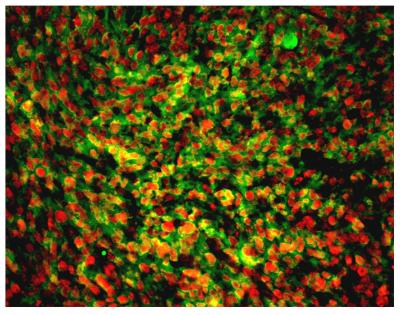
Adding to their long and distinguished history, lab mice are now helping in the fight against cancer - specifically, aggressive forms of brain cancer in children.
Scientists have developed a specialized breed of mouse to test therapies for a brain cancer known as medulloblastoma.
The most common brain tumor in children, medulloblastoma does not have many treatments available, but these mice may help change that.
Learn about clinical trials available to you at http://clinicaltrials.gov
The genetic mutation c-myc is common in the most severe form of medulloblastoma, and researchers at the Sanford-Burnham Cancer Center have already used their knowledge gained from animal studies to gather clues to use in future drug development.
The mice, with mutated c-myc and p53 genes causing the rapid growth of medulloblastoma, responded to an experimental class of drug known as a phosphoinositide 3-kinase inhibitor in preliminary testing. Future testing for PI3 kinase inhibitors is planned, and some clinical trials are already underway.
"Being able to use an animal model as a tool to test treatments has been very valuable in medulloblastoma, as in other types of tumors," said Robert Wechsler-Reya, Ph.D., senior author of the study and director of the Tumor Development Program in Sanford-Burnham's Cancer Center.
"But for Myc-associated tumors, that hasn't been an option because there hasn't been a model of the disease. This is the first step to developing therapies for this type of tumor," Wechsler-Reya said.
With the appropriate mouse model, testing of pharmaceutical compounds should happen much more quickly, and researchers can weed out drugs that do not work, and begin testing in patients of promising candidates for this currently hard to treat brain cancer.
This work was supported by funds from the Alexander and Margaret Stewart Trust, the Duke Comprehensive Cancer Center, the Southeastern Brain Tumor Foundation, the Pediatric Brain Tumor Foundation, and the National Cancer Institute.
The study was published in the journal Cancer Cell.
All information on this site is provided “as-is” for informational purposes only and is not a substitute for medical advice or treatment. You should consult with a medical professional if you have any questions about your health.
More health news
 Health News
The Couch Potato Effect
Deletion of key muscle protein inhibits exercise
 Health News
Finding the Source of Leukemia
Over-expression of a tiny RNA can cause leukemia
Mouse Model May Provide Insight into the Schizophrenic Brain
Mouse Model May Provide Insight into the Schizophrenic Brain