
The Couch Potato Effect
Deletion of key muscle protein inhibits exercise
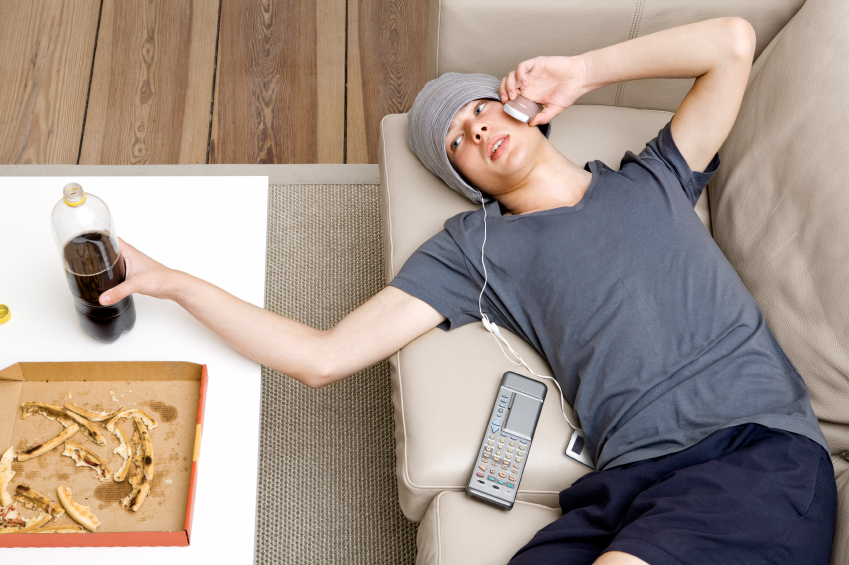
Daniel Kelly, M.D., and his colleagues have unveiled a surprising new model for studying muscle function: the couch potato mouse.
While these mice maintain normal activity and body weight, they do not have the energy to exercise. In the December 1 issue of Cell Metabolism, Dr. Kelly's team at Sanford-Burnham Medical Research Institute (Sanford-Burnham) at Lake Nona reports what happens when muscle tissue lacks PGC-1, a protein coactivator that muscles need to convert fuel into energy.
"Part of our interest in understanding the factors that allow muscles to exercise is the knowledge that whatever this machinery is, it becomes inactive in obesity, aging, diabetes and other chronic conditions that affect mobility," Dr. Kelly explained.
Normally, physical stimulation boosts PGC-1 activity in muscle cells, which switches on genes that increase fuel storage, ultimately leading to "trained" muscle (the physical condition most people hope to attain through exercise). In obese individuals, PGC-1 levels drop, possibly further reducing a person's capacity to exercise – creating a vicious cycle. In this study, mice without muscle PGC-1 looked normal and walked around without difficulty, but could not run on a treadmill.
This is the first time that PGC-1 has been completely removed from muscle tissue, providing researchers with a new model to unravel the protein's role in muscle development, exercise and metabolism. So what happens to mice with muscles short on PGC-1? Their mitochondria – the part of the cell that converts fuel into energy – can't function properly, so cells have to work harder to stay vigorous. This extra effort rapidly depletes carbohydrate fuel stores, leading to premature fatigue. In short, PGC-1 is necessary for exercise, but not normal muscle development and activity.
But these mice held another surprise. PGC-1-deficient couch potato mice were not obese and still respond normally to insulin – meaning they are not at risk for developing diabetes despite their sedentary lifestyles and mitochondrial problems. This was unexpected because many scientists believe that dysfunctional mitochondria trigger a cascade of insulin resistance and diabetes. This study dispels that notion, instead suggesting that perhaps malfunctioning mitochondria are a result of diabetes, rather than a cause.
"Lo and behold, even though these animals couldn't run, they showed no evidence of insulin resistance," Dr. Kelly said. "We are now investigating what happens when we boost PGC-1 activity intermittently, as normally occurs when a person exercises."
All information on this site is provided “as-is” for informational purposes only and is not a substitute for medical advice or treatment. You should consult with a medical professional if you have any questions about your health.
More health news
 Mental Health
Cricket Sex and Animals Exercising
Study: workout levels, personality may be linked
 Health News
Couch Potatoes' Sperm Counts Lower
Sperm counts lower in heavy TV watchers but higher in big exercisers
 Health News
Breast Cancer not for Couch Potatoes
Breast cancer patients who are physically active fare better