
Diabetic Eye Damage Tied to Ethnicity
Diabetic retinopathy risk higher in non whites than in whites
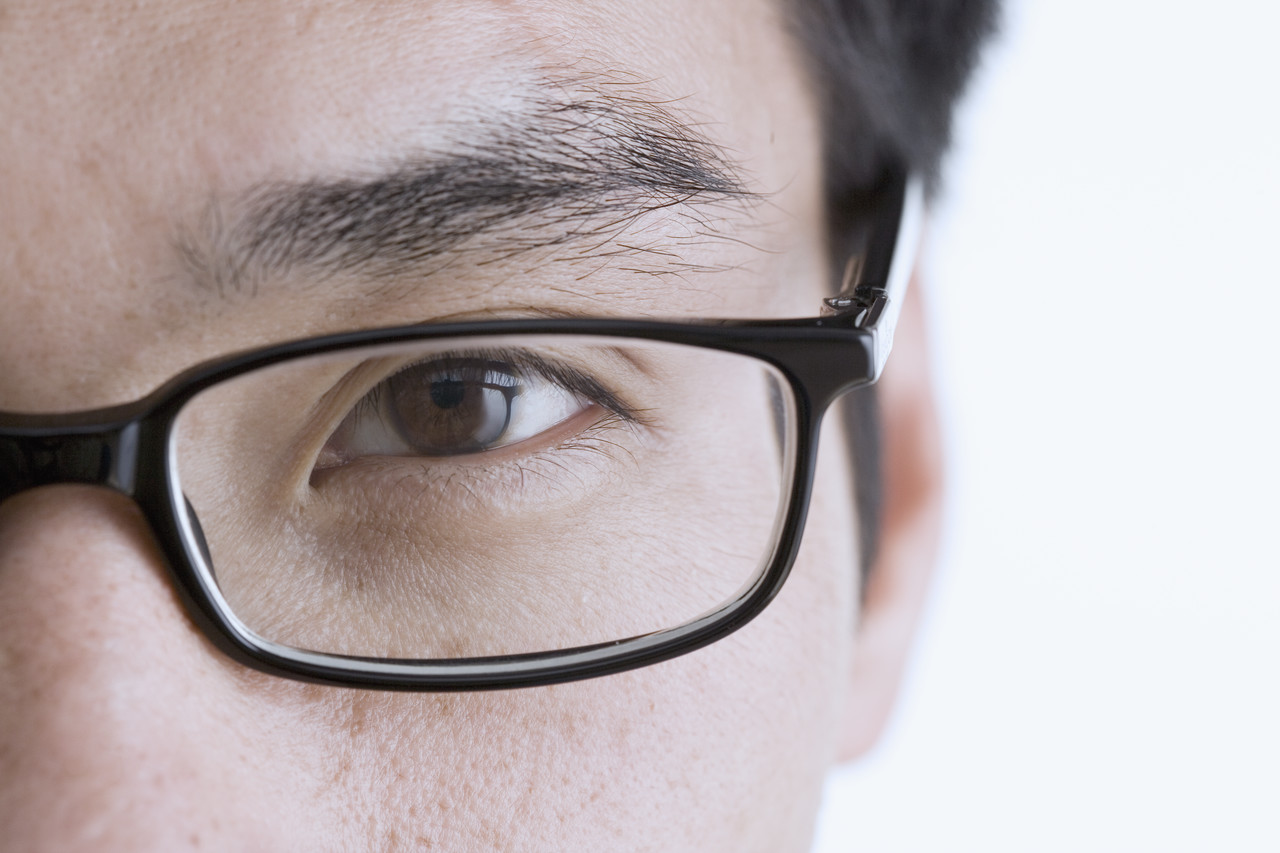
From your head to your toes, diabetes can cause problems throughout the body. Even your eyes can be affected by diabetes.
The length of time living with diabetes and poor blood sugar control were strong risk factors associated with diabetic retinopathy (eye damage from diabetes) in patients with either type 1 or type 2 diabetes, according to recent research.
Get regular eye exams if you have diabetes.
Diabetic retinopathy happens when the blood vessels in the retina become damaged. At first, patients with diabetic retinopathy may not have any symptoms. Over time, however, the condition can lead to blindness.
Larry Distiller, FCP (SA), FACE, of the Centre for Diabetes and Endocrinology in Johannesburg, South Africa, and colleagues found that some ethnicities may have a higher risk of diabetic retinopathy than others.
Looking at a population of diabetic South Africans, the researchers found Asian Indians had an increased risk of diabetic retinopathy compared to whites.
Indigenous Africans had a higher risk than whites of referable diabetic retinopathy - or retinopathy that needs treatment.
In patients with type 2 diabetes, the risk of diabetic retinopathy was higher for all non-whites compared with whites.
On top of duration of diabetes and poor blood sugar control, high blood pressure and smoking were associated with an increased risk of diabetic retinopathy in patients with type 1 diabetes.
The study included 1,537 people with type 1 diabetes and 3,978 with type 2 diabetes.
In patients with type 1 diabetes, the rate of diabetic retinopathy was 35.2 percent - with 26 percent of patients with background retinopathy and 9.2 percent with referable retinopathy.
The rate of retinopathy in those with type 2 diabetes was 20.5 percent - with 14.1 percent with background retinopathy and 6.4 percent with referable retinopathy.
The study was published October 1 in Diabetes Care, a journal of the American Diabetes Association.
All information on this site is provided “as-is” for informational purposes only and is not a substitute for medical advice or treatment. You should consult with a medical professional if you have any questions about your health.
More health news
 Health News
Different Ethnicities, Same Diabetic Eyes
Retinopathy and HbA1c linked without ethnic differences
 Health News
You've Seen Everything...Keep It That Way
January is National Glaucoma Awareness Month
 Health News
A High-Tech Test for a Diabetes Related Eye Problem
Newly approved device uses artificial intelligence to detect diabetes related retinopathy