
Football Injuries are Increasing
Concussions, fractures, lacerations, sprains aplenty
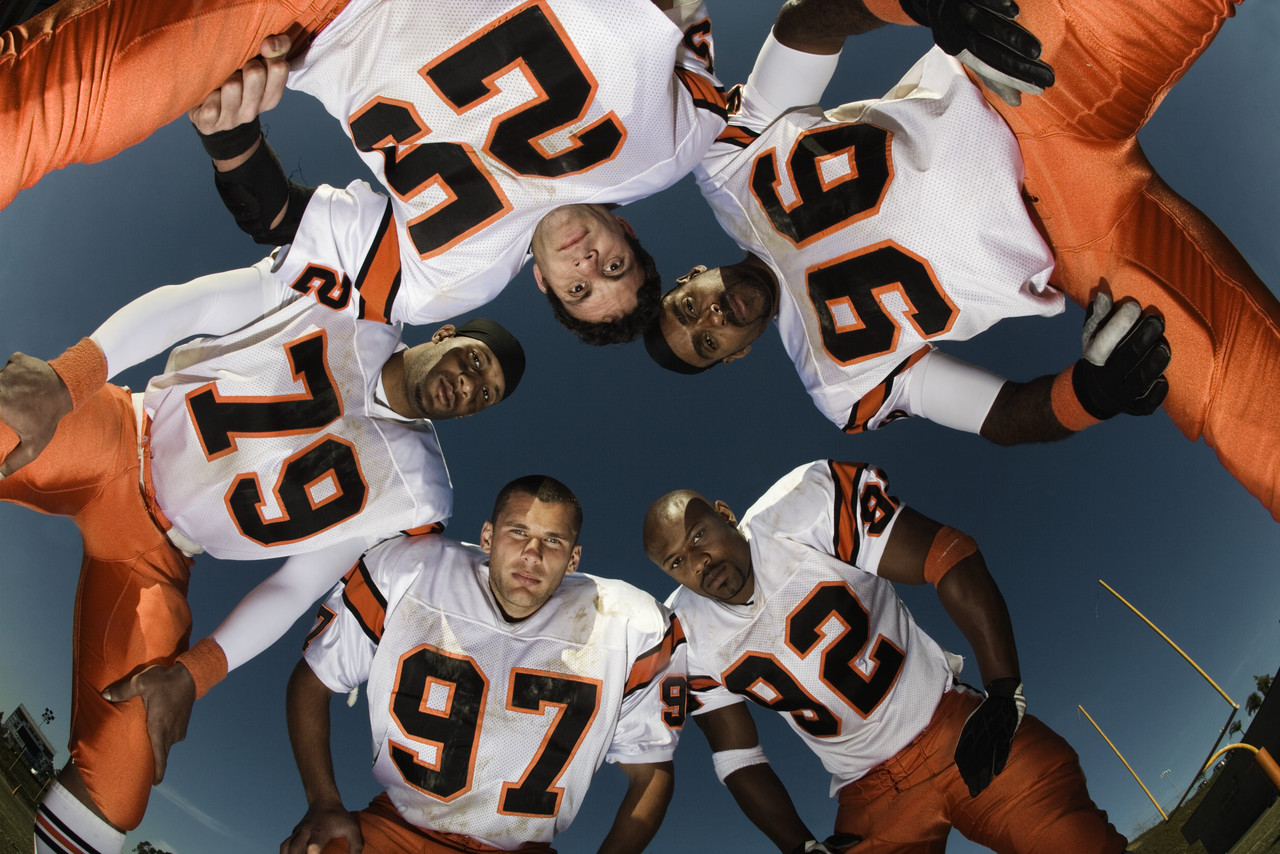
Associating with sports teams is a valuable experience for all ages. The risk/reward ratio is worth considering when football is your child's sport of choice.
Injuries are escalating at an alarming rate, especially in the ages of 12-17 when the boys are getting bigger, faster and hitting each other harder.
Quit football and play tennis or golf!
Lara McKenzie, PhD, study co-author and principal investigator in the Center for Injury Research and Policy at Nationwide Children's Hospital said, "We need to do a better job of preventing football-related injuries among our young athletes."
Researchers in the Center for Injury Research and Policy of The Research Institute at Nationwide Children's Hospital estimate 5.25 million football related injuries were treated in the hospital over a period of 17 years.
Presently, there are approximately 2,000 emergency room visits per day by young players during football season.
The concussions are particularly concerning to the researchers as the long term consequences of a concussion can be quite serious.
In Depth
- Sprains and strains account for 31 percent of the injuries
- Fractures and dislocations account for 28 percent
- Soft tissue injuries account for 24 percent
- Adolescents aged 12 to 17 years old suffered 78 percent of all the injuries concussion
- Children aged 6 to 11 years old were more likely to sustain lacerations, and were often injured at home
All information on this site is provided “as-is” for informational purposes only and is not a substitute for medical advice or treatment. You should consult with a medical professional if you have any questions about your health.
More health news
 Health News
Keeping Score on Concussions: It's a Game-Changer
The NFL, UIL adopt new guidelines for athletes
 Mental Health
Are You Ready For Some...Flag Football
Some see taking it easy on the field as wimpy
 Health News
Saving Face in Field Hockey
Fewer face and head injuries among field hockey athletes who wear protective gear