
Mini-Strokes Under 60 Lead to Heart Attacks
Transient ischemic attacks increases future heart attack risks
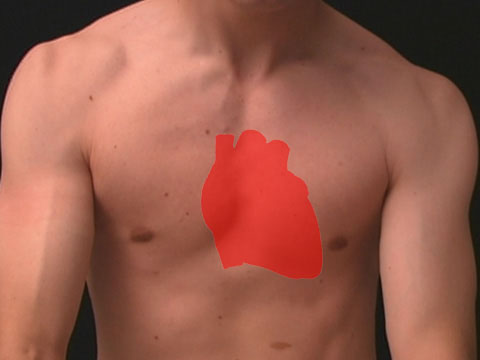
After suffering a mini-stroke, most people face future heart problems. New research shows that after a mini-stroke, there is an increased risk of heart attack.
Researchers from the Mayo Clinic found that people who have suffered a mini-stroke - or transient ischemic attack - are about twice as likely to have a heart attack, compared to those who have not had a mini-stroke. The risk of heart attack is especially high in patients under 60 years of age. In fact, mini-stroke victims who are younger than 60 years old are 15 times more likely to suffer a heart attack.
dailyRx Insight: Mini-strokes are a clear signal of future heart attacks.
Doctors already know they need to take steps to prevent future, full strokes, after a patient recovers from a mini-stroke. These new findings should be a sign that doctors and patients should also be aware of the heart-related risks of mini-stroke.
To better understand the frequency of heart attacks following mini-stroke, Dr. Robert D. Brown Jr., chair of the neurology department at the Mayo Clinic, and colleagues, looked at records from the Rochester Epidemiology Project covering the years 1985 to 2006.
Stroke affects almost 6 million Americans every year, and it is the second leading cause of death. A stroke happens when blood flow to the brain is interrupted, either by a blood clot in the brain or from another part of the body (ischemic stroke), or by a blood vessel in the brain breaking open from high blood pressure (hemorrhagic stroke). In most cases, stroke causes significant disability and requires intense rehabilitation to regain lost function from the damaged brain. Symptoms vary depending on which part of the brain is being affected, but commonly referenced symptoms are a sudden weakness or numbness on one side of the body or face, and the inability to speak clearly or find words. Diagnosis and management are medical emergencies. If the stroke is caught early and is being caused by a blood clot, there are medications, such as tPA (tissue plasminogen activator, Activase) that can be given to quickly dissolve the clot. Hemorrhagic strokes often need brain surgery to stop bleeding. Patients are usually given a host of imaging tests, such as CT scan, MRI, and angiogram (x-ray of the blood vessels).
The study is published in Stroke, a journal of the American Heart Association.
All information on this site is provided “as-is” for informational purposes only and is not a substitute for medical advice or treatment. You should consult with a medical professional if you have any questions about your health.
More health news
 Prescription Drugs
Cholesterol Drugs Work for Most Stroke Patients
Hemorrhagic strokes patients may not benefit from cholesterol lowering statins
 Health News
Special Team Enhances Mini Stroke Outcomes
Mini stroke patients who receive specialized hospital care less likely to experience vascular events
 Prescription Drugs
Mixed Results for Plavix-Aspirin Combo
Stroke recurrence may be reduced by blood thinner and aspirin but studies are conflicting