
FDA Rejects Rivaroxaban for ACS
Rixaroxaban not approved to treat acute coronary syndrome by FDA panel
Following a close vote, a U.S. Food and Drug Administration panel has declined to recommend rivaroxaban (Xarelto) to treat acute coronary syndrome.
The FDA's Cardiovascular and Renal Drugs Advisory Committee voted 6-4, with one member abstaining, that the drug should not be recommended for formal FDA approval.
Ask your doctor about approved treatments for acute coronary syndrome.
Rivaroxaban is an oral anticoagulant manufactured by Bayer. On July 1 it was FDA approved to treat deep vein thrombosis, blood clots deep within veins that can led to a blockage in a main artery in the lung, also called a pulmonary embolism.
Rivaroxaban also was given the green light to treat adults undergoing hip or knee replacement surgery.
FDA officials also approved the drug to prevent stroke in patients with a certain type of atrial fibrillation, a common heart arrhythmia, late last year.
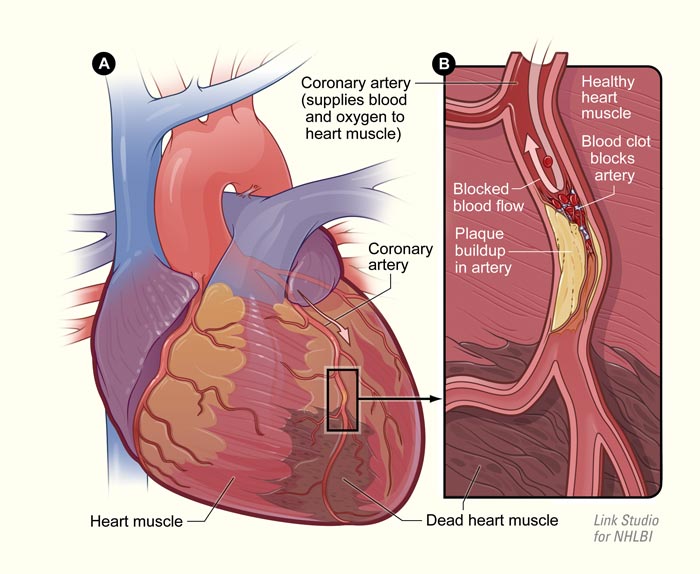
Most recently, Bayer had asked the FDA to approve the medication to treat acute coronary syndrome, which describes any conditions brought on by sudden, reduced blood flow to the heart, including a heart attack. The most common symptom is chest pain.
The FDA panel had reviewed the results from Bayer's phase two ATLAS trial comprised of 3,491 patients, and the follow up ATLAS phase three trial, which included 15,526 patients.
Both of the randomized double-blind trials asked patients with acute coronary syndrome to take rivaroxaban and aspirin, or aspirin alone to determine whether the drug reduced cardiovascular events.
However, after reviewing the clinical trials, the panel determined there was "substantial missing data, poor follow-up, predominantly attributed to withdrawal of consent." It called the recent trend "distressing."
All information on this site is provided “as-is” for informational purposes only and is not a substitute for medical advice or treatment. You should consult with a medical professional if you have any questions about your health.
More health news
 Prescription Drugs
New Application for Bayer Heart Drug
Xarelto to reduce cardiovascular events in patients with acute coronary syndrome
 Prescription Drugs
Rivaroxaban for Treating Pulmonary Embolism
Rivaroxaban outperforms against enoxaparin for pulmonary embolism treatment
 Prescription Drugs
FDA Panel Warns Against Approval of Heart Arrhythmia Drug
FDA reviewers voice safety concerns over atrial fibrillation drug rivaroxaban