
Risk of Birth Defects Following Prenatal Exposure to Valproate
Risk of Birth Defects Following Prenatal Exposure to Valproate
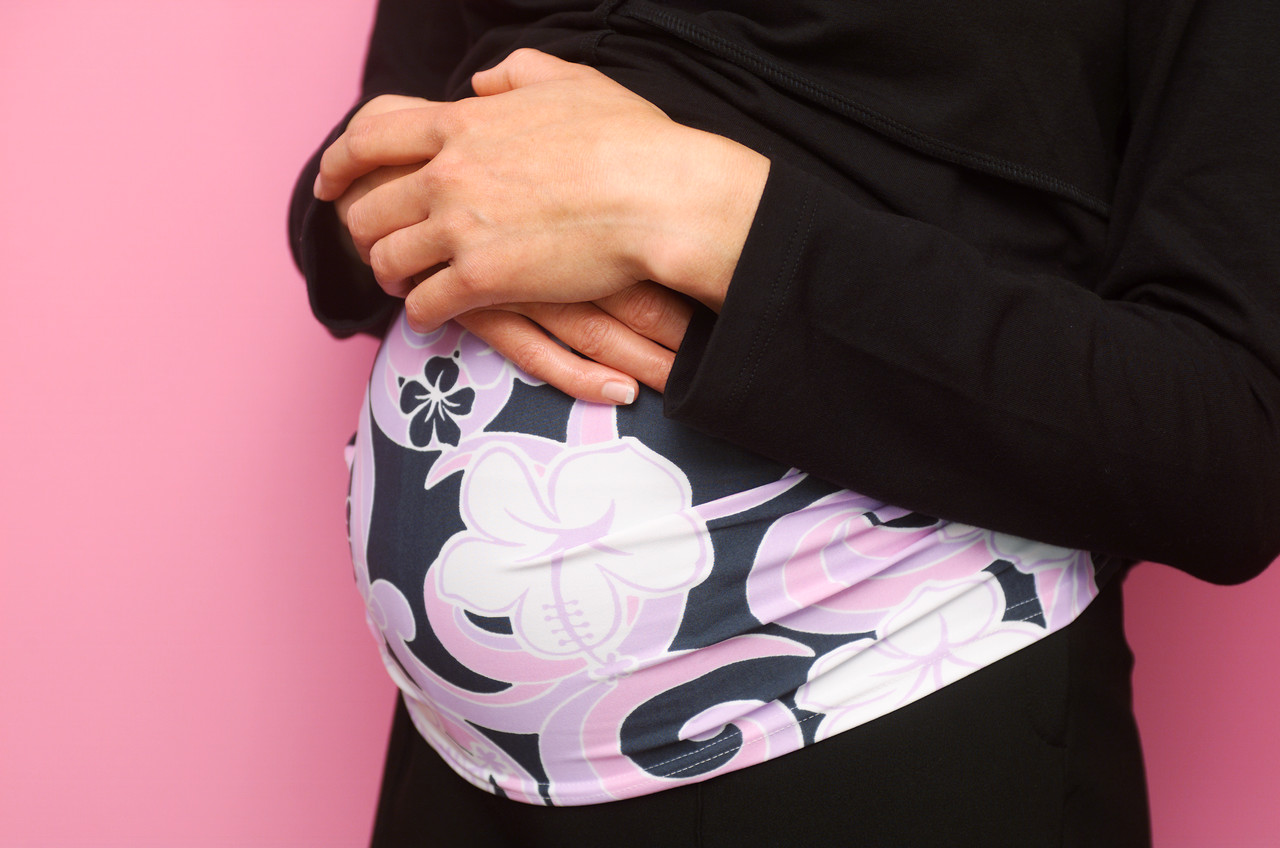
The FDA has issued a reminder to health care providers about the increased risk of neural tube defects and other major birth defects, such as craniofacial defects and cardiovascular malformations, in babies exposed to valproate sodium and related products (valproic acid and divalproex sodium) during pregnancy.
Valproate sodium is marketed as Depacon. Dilvalproex sodium is marketed as Depakote, Depakote CP and Depakote ER. Valproic acid is marketed as Depakene and Stavzor. The FDA is working with the manufacturers of these products to address labeling changes.
Women of childbearing age who take these medications should know about the potential risks of these drugs and consider alternative therapies, especially if they are using valproate to treat migraines or other conditions not usually considered life-threatening. Therefore, women of childbearing age should only use valproate if it is essential to manage their medical condition. Those women who are not actively planning a pregnancy should use effective contraception because birth defect risks are particularly high during the first trimester, before many women know they are pregnant.
The FDA offers this information for women who take one of these drugs:
- Using valproate during pregnancy increases the chance of having a baby with a birth defect. Neural tube defects, such as spina bifida, are the birth defects most often seen with valproate use in early pregnancy. These defects of the brain and spinal cord occur when the developing spinal canal does not close normally.
- For this reason, a woman of childbearing potential should generally not take valproate unless it is considered essential for her treatment. Women of childbearing potential are women who have passed puberty and have not passed through menopause and have not had their uterus or ovaries removed.
- Women of childbearing potential who do take valproate should use effective birth control while taking valproate.
- Women who are planning a pregnancy or who become pregnant while taking valproate should contact their health care professionals immediately. They should talk to their health care professionals about the best way to treat their health conditions before and during pregnancy. Health care professionals may discuss other treatment options.
- Valproate should not be stopped without talking to a health care professional, even in pregnant women. Stopping valproate suddenly can cause serious problems. Not treating epilepsy or bipolar disorder can be harmful to women and their developing babies.
- Birth defects also occur in babies born to women who are not taking any medicines and who do not have other risk factors, but they occur less often (in about three out of every 100 babies).
- Taking folic acid supplements before getting pregnant and during early pregnancy has been shown to lower the chance of having a baby with a neural tube defect.
- Women should tell their health care professionals about all the medicines they take, including prescription and nonprescription medicines, vitamins and herbal supplements. They should not start a new medicine without first talking with a health care professional.
The FDA requires a patient medication guide for each antiepileptic drug, including valproate. The valproate medication guide explains the benefits and risks of the drug and encourages patients to discuss options with their health care professional.
Pregnant women using valproate or other antiepileptic drugs should enroll in the North American Antiepileptic Drug Pregnancy Registry by calling 888-233-2334 or visiting www.aedpregnancyregistry.org. This pregnancy registry gathers information about the safety of antiepileptic drugs during pregnancy.
Contact:
FDA
800-332-1088
All information on this site is provided “as-is” for informational purposes only and is not a substitute for medical advice or treatment. You should consult with a medical professional if you have any questions about your health.
More health news
 Prescription Drugs
Valproate Anti-seizure Products Contraindicated for Migraine Prevention in Pregnant Women
Valproate products contraindicated due to decreased IQ scores in children
 Prescription Drugs
A Pregnancy Dilemma for a Medication?
Antiepileptic valproate during pregnancy linked to higher risk of autism in children
 Prescription Drugs
Depakote Exposure In-Utero May Cause Lower IQ Scores
Valproate drugs taken during pregnancy may cause lower IQ scores in children