
Post-Surgery Problems for RA Patients
Rheumatoid arthritis patients may face more complications after joint replacement than osteoarthritis patients
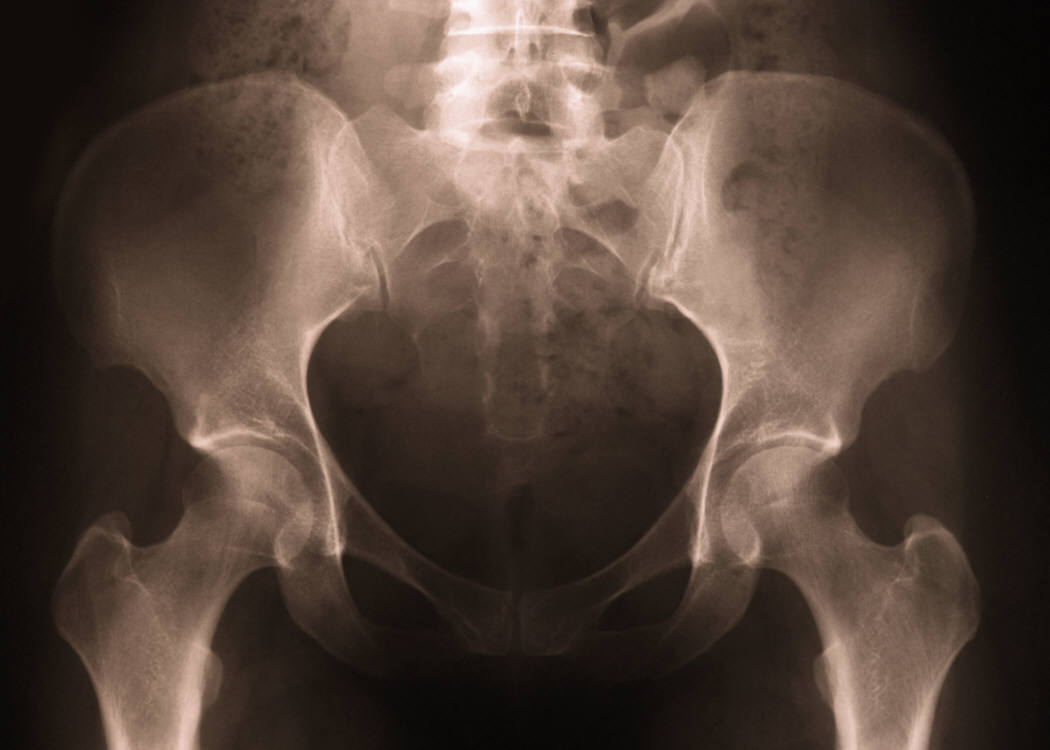
When arthritis causes permanent joint damage, many patients turn to joint replacement surgery. While hip and knee replacement surgeries can lead to huge improvements, they still carry serious risks.
Compared to patients with osteoarthritis, those with rheumatoid arthritis may have a higher risk of hip dislocation after hip replacement surgery, according to a recent study.
In addition, rheumatoid arthritis patients may have a higher risk than osteoarthritis patients of infection after knee replacement surgery.
Don't ignore chronic hip pain.
Total joint replacement surgery, or joint arthroplasty, has been shown to be one of the most effective treatments for arthritis patients with joint damage that is beyond repair.
According to lead author Bheeshma Ravi, MD, of the University of Toronto and Women's College Research Institute in Canada, "Joint arthroplasty is successful in relieving the pain and disability caused by hip or knee arthritis.
While complication rates are low, there are some cases with serious consequences that include infection, joint dislocation, blood clots and even death."
For their study, Dr. Ravi and colleagues looked at past studies to better understand the risk of complications after joint replacement surgery in patients with osteoarthritis and rheumatoid arthritis.
They found patients with rheumatoid arthritis had over two times higher odds of hip dislocation after total hip replacement surgery compared to patients who had osteoarthritis.
There was a fair amount of evidence showing rheumatoid arthritis patients had a higher risk of infection and of needing a second surgery after total knee replacement, compared to patients with osteoarthritis.
The risk of a second surgery, death within 90 days or blood clots did not seem to differ between rheumatoid arthritis patients and osteoarthritis patients.
"Additional studies to confirm our findings are necessary and further investigation of possible reasons for differences in joint replacement complication rates between rheumatoid arthritis and osteoarthritis patients is needed," Dr. Ravi concluded.
For their research, Dr. Ravi and colleagues looked at 40 past studies on total hip or total knee replacement surgery that had information on outcomes in at least 200 rheumatoid arthritis and osteoarthritis joints.
Study co-author Dr. Earl Bogoch reported receiving fees, grants or honoraria from a number of pharmaceutical companies including Eli Lilly, Procter & Gamble, and Amgen.
The study was published November 28 in Arthritis & Rheumatism, a journal of the American College of Rheumatology.
All information on this site is provided “as-is” for informational purposes only and is not a substitute for medical advice or treatment. You should consult with a medical professional if you have any questions about your health.
More health news
 Health News
More Pain, More to Gain from New Joints
Joint replacement surgery for more severe osteoarthritis may offer greater benefits
 Features
What to Ask Before Joint Replacement Surgery
Osteoarthritic joint replacement questions for your surgeon
 Features
The Many Faces of Arthritis
Ankylosing spondylitis psoriatic and rheumatoid arthritis differences