
Resveratrol and Rapamycin: A Power Couple
Resveratrol compound combined with immunosuppresant drug may provide benefit for breast cancer patients

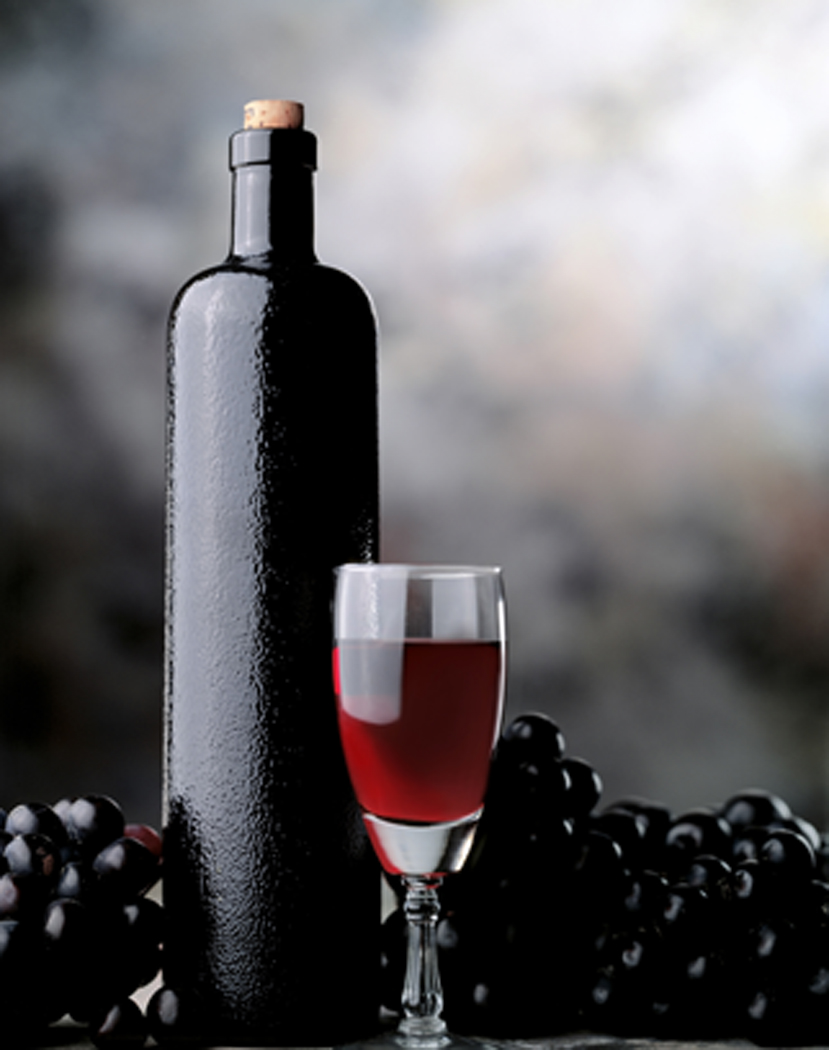
Resveratrol, a compound found in red wine, may have a tumor-suppressing effect on breast cancer cells when combined with rapamycin, an immunosuppressant drug.
Researchers at Cleveland Clinic's Lerner Research Institute found an additive effect between resveratrol and rapamycin on breast cancer signaling and growth. Resveratrol appeared to mitigate rapamycin-induced drug resistance in laboratory settings (cancer cells tend to develop a resistance to rapamycin).
If the same holds true in clinical settings, certain breast cancer patients might consider eating a bowl of boiled peanuts -- which contains more resveratrol than red wine -- or enjoying a glass of red wine before rapamycin treatment, said Charis Eng, MD, Ph.D., Chair of the Genomic Medicine Institute and lead author of the study.
Rapamycin is generally used to guard against rejection in organ transplantation surgery and has been considered for the use of anti-tumor treatment in certain breast cancers.
Other foods high in resveratrol include mulberries, grapes and cocoa powder.
All information on this site is provided “as-is” for informational purposes only and is not a substitute for medical advice or treatment. You should consult with a medical professional if you have any questions about your health.
More health news
 Natural
Resveratrol Rescue?
Compound may help combat prediabetes
 Natural
Resveratrol Suppresses Inflammation
Compound appears to prolong life, reduce aging in some
 Health News
Red Wine Compound May Help with Alzheimer's
Resveratrol may slow Alzheimer's disease cognitive decline