
Target Practice
Researchers may have found new target for rheumatoid arthritis treatment
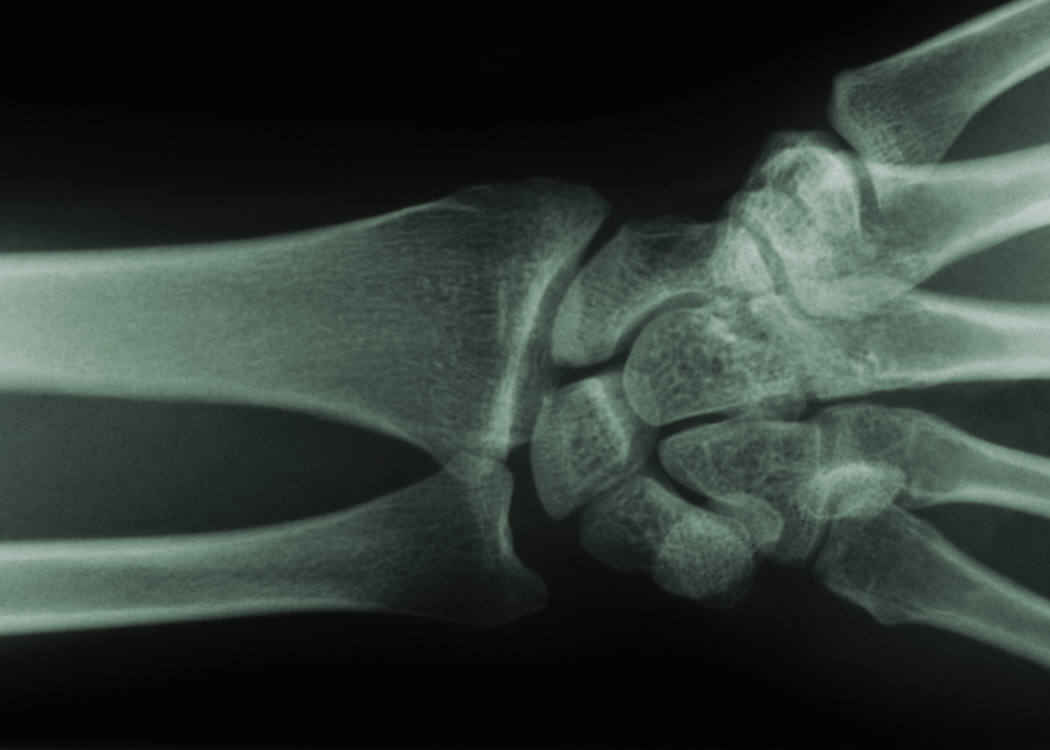
Researchers hope discovery into enzymes, immune cells, and inflammation will alleviate rheumatoid arthritis (RA) and other autoimmune diseases.
By enhancing immune-cell activity to guard against uncontrolled inflammation, researchers hope to pave the way for more effective autoimmune disease treatments, including rheumatoid arthritis, multiple sclerosis (MS) and Crohn's disease.
The researchers, spearheaded by Alexandra Zanin-Zhorov, PhD, a post-doctoral fellow, found a way to hold a certain enzyme at bay by treating immune cells with an investigational drug.
Rheumatoid arthritis is caused by the hyperactivity of conventional T cells that fight off infections, cancer and other diseases. Regulatory T cells counteract conventional T cells' tendency to become overactive and thus hold inflammation in check. In diseases like rheumatoid arthritis the researchers found, regulatory T cells don't do their job effectively.
The researchers found an enzyme known as protein kinase C theta is only partially activated in regulatory T cells because the enzyme is as far away as it can get from where the cells are communicating. (In conventional T cells this enzyme normally moves to the area where cells are making contact.) So the researchers began testing inhibitors of kinase C theta and found a compound that boosts the normal activity of regulatory T cells by about five-fold and held inflammation in check.
The finding could lead to better therapies for autoimmune disease such as rheumatoid arthritis, lupus and scleroderma in which the body's own immune system malfunctions and attacks healthy cells.
There are approximately 1.3 million rheumatoid arthritis sufferers in the United States, about 75 percent of whom are women. Rheumatoid arthritis damages the joints, most commonly in the hands, feet, and cervical spine. Inflammation can also affects other organs and systems in the body such as the skin, lungs (fibrosis), kidneys (amyloid protein deposits), and cardiovascular system (increased risk for heart attack and stroke, as well as fibrosis and pericarditis). A clinical diagnosis can be made on the basis of symptoms, physical exam, radiographs, x-rays and lab tests. There are many prescription medications used to treat rheumatoid arthritis such as hydroxychloroquine (Plaquenil®), chloroquine (Aralen®), leflunomide (Arava®), and methotrexate (Rheumatrex ®). Non-pharmacological treatment includes psychical therapy, orthoses, and nutritional therapy but these do not stop progression of joint destruction. Analgesia (painkillers) and anti-inflammatory drugs, including steroids, are used to suppress the symptoms, while disease-modifying antirheumatic drugs (DMARDs) are required to inhibit or halt the underlying immune process and prevent long-term damage. Recently the newer group of biologics, such as abatacept (Orencia®), adalimumab (Humira®), etanercept (Enbrel®), infliximab (Remicade®), and rituximab (Rituxan®) have increased treatment options.
All information on this site is provided “as-is” for informational purposes only and is not a substitute for medical advice or treatment. You should consult with a medical professional if you have any questions about your health.
More health news
 Natural
Healing Powers of Thunder God Vine
Researchers find how triptolide fights cancer and rheumatoid arthritis
 Health News
Reversing Rheumatoid Arthritis
New treatment reduces symptoms and may undo damage already done by rheumatoid arthritis
 Clinical Trials
Sometimes Three Rheumatoid Arthritis Pills Work Best
Combing rituximab, methotrexate, and TNF inhibitor improved RA pain management