
Out of Sync
Researchers find potential biomarker of epilepsy
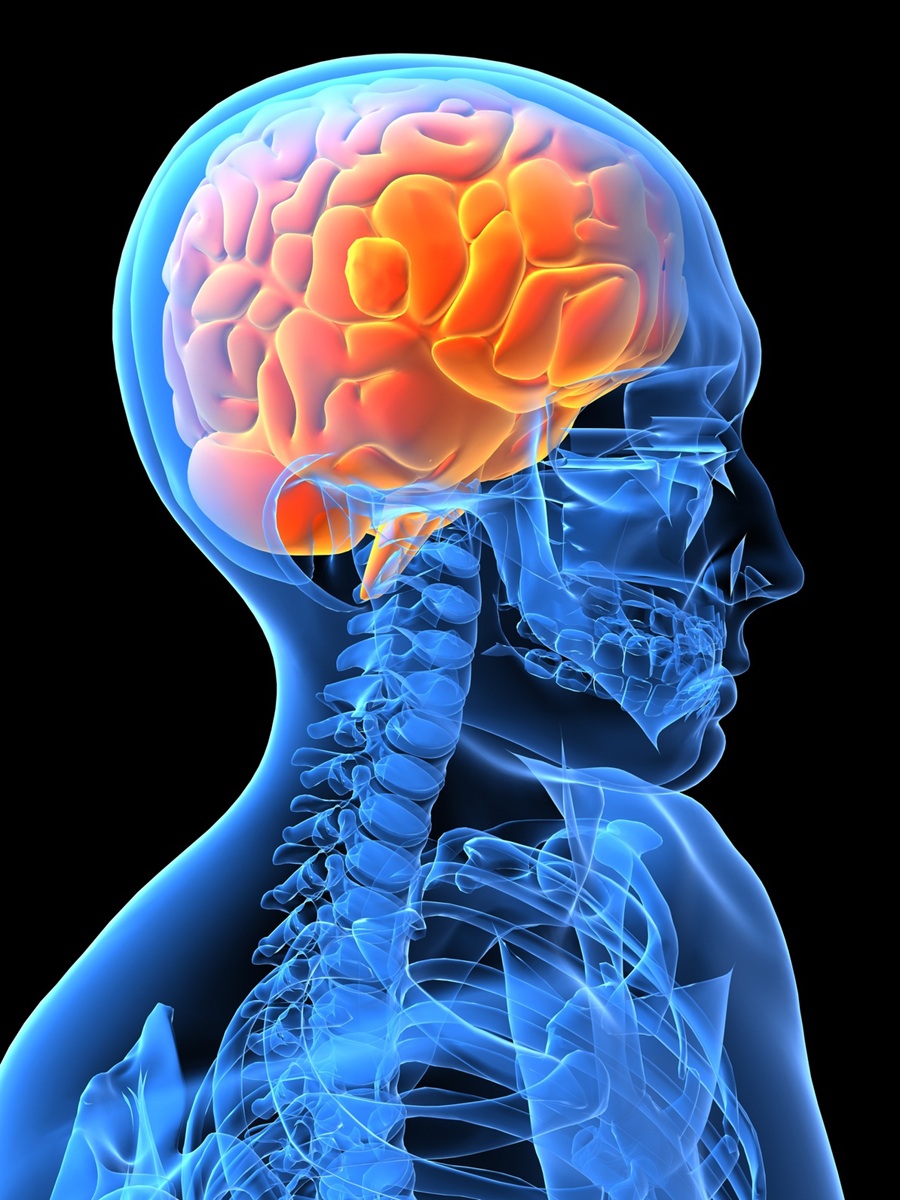
Mayo Clinic researchers may have identified a biomarker to help clinicians identify individuals with abnormal brain function such as epilepsy.
The researchers discovered that the part of the brain that generates epileptic seizures is functionally isolated from surrounding brain regions, according to a study presented at the American Epilepsy Society's annual meeting in San Antonio.
Epilepsy, which affects nearly 3 million Americans, is a disorder of the central nervous system characterized by the occurrence of two or more seizures.
"The synchronization of local and distributed neuronal assemblies underlies fundamental brain processes like perception, learning, and cognition," says Gregory Worrell, M.D., Ph.D., a Mayo Clinic epileptologist and an author of this study. "In neurological disease, neuronal synchrony can be altered, and in epilepsy the synchrony plays an important role in the generation of seizures."
In conducting their investigation of neuronal synchrony, Mayo Clinic researchers studied intracranial EEG (electroencephalogram) recordings from patients with epilepsy and control subjects with facial pain. The researchers found that the patients with focal epilepsy (when seizures are produced in a small part of the brain rather than the entire brain) had less average synchrony than the control patients. When implanted electrode pairs linked seizure-generating regions to other regions of the brain, the synchrony was substantially less than the synchrony in other electrode pairs in the epileptic brain and the control brain. The Mayo Clinic team also found greater activity in the seizure-generating region causes less synchrony in neighboring tissue outside that region.
"Our study shows us that the part of the brain generating seizures is isolated from the surrounding brain regions," says Dr. Worrell. "This finding could serve as a clinical biomarker of an abnormal brain, and it can also be useful in epilepsy surgery and brain stimulation treatments, as well as helping us understand how seizures are generated."
All information on this site is provided “as-is” for informational purposes only and is not a substitute for medical advice or treatment. You should consult with a medical professional if you have any questions about your health.
More health news
 Health News
Seizing Epilepsy: Prognosis Is Excellent
Mayo Clinic researchers find positive long-term outcomes for certain children with epilepsy
 Health News
Brain Surgery For Seizures Ten Years On
Long term outcomes for resective surgery to reduce and eliminate seizures are positive
 Prescription Drugs
No Link Between Flu Vaccine and Epilepsy
H1N1 influenza vaccine Pandemrix is not associated with increase in seizures