
Oral Contraceptives Linked to Prostate Cancer
Prostate cancer cases may be associated with environmental levels of endocrine disruptive compounds
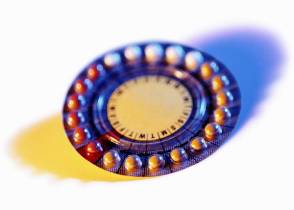
The female hormone estrogen plays a role in a number of cancers, most notably breast cancer. A new study suggests that estrogen getting into public water supplies may be increasing the risk of a common male cancer.
A recent analysis has concluded that the use of contraceptives around the world may be linked to the number of cases of and deaths from prostate cancer. The authors emphasize that this research is speculative and does not in any way suggest cause and effect.
Dispose of all medications carefully.
The University of Toronto research team used International Agency for Research on Cancer (IARC) data and the United Nations World Contraceptive Use report to zero in on prostate cancer statistics. These data were then compared to the proportion of women using contraception in 2007.
Researchers analyzed the numbers for both individual nations and continents around the world to see if there were links between oral contraceptive use and prostate cancer cases and deaths.
The analysis found a significant association between use of the pill and prostate cancer. A nation's wealth did not affect these findings.
The authors note that recent studies have shown that exposure to estrogen may increase prostate cancer risks.
They go on to reason that prevalent use of the pill may raise "environmental levels" of endocrine disruptive compounds (EDCs), which are left over after oral contraceptives are metabolized.
Because EDCs don't easily break down, they can be released into the urine, which in turn ends up in the water supplies or food chain, exposing the general population.
Lead investigator and first author, David Margel, M.D., uro-oncology fellow at the University of Toronto, wrote to dailyRx in an email, "We found a significant correlation between oral contraceptive use and prostate cancer. In the future we hope to further our knowledge and test the water system and human tissue for possible environmental estrogens," Dr. Margel said.
He added, "What we do hope will happen is that this will raise the public interest in possible environmental contaminators."
Findings from this study are published in BMJ Open.
All information on this site is provided “as-is” for informational purposes only and is not a substitute for medical advice or treatment. You should consult with a medical professional if you have any questions about your health.
More health news
 Natural
Hormonal Waters
Oral contraceptives are not to blame for estrogen in the water supply
 Prescription Drugs
Do Contraceptives Increase Your Cancer Risks?
Breast and cervical cancer risks transiently increased with some contraceptives
 Prescription Drugs
No Libido Loss with the Pill
Libido did not decrease among the majority of women taking combined oral contraceptives