
Pregnant Women Should Avoid Contact With BPA
Prenatal exposure to Bisphenol A can lead to asthmatic wheezing
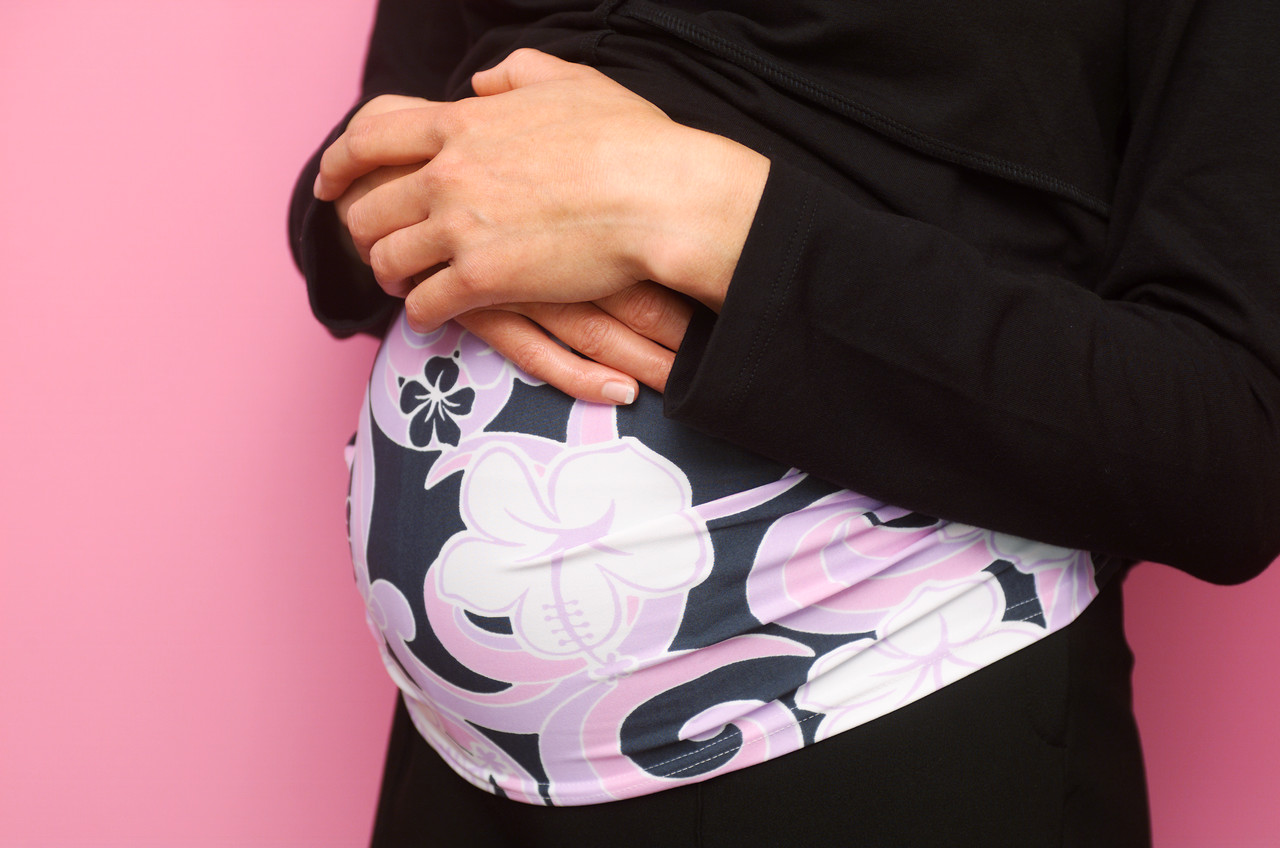
PLASTICS. In the late 60's, this famous buzzword was all about investment riches. Now, the formerly harmless little word creates negative issues for pregnant ladies.
A recent study indicates that prenatal exposure by mothers to Bisphenol A (BPA) can cause wheezing in her child. BPA, found most commonly in plastic products, including water bottles and food containers, have been part of our society since at least the late 1960's.
Pregnant? Avoid using plastic water bottles and food containers.
Study lead Adam Spanier, M.D., Ph.D., assistant professor of pediatrics at Penn State College of Medicine, suggested consumers need additional information concerning the chemicals in everyday products they purchase.
Spanier's study showed higher BPA concentrations in the urine of pregnant women at 16 weeks were associated with wheezing in their babies. Concentrations of BPA at 26 weeks or later were not associated with wheezing in their children.
According to Spanier this data suggests that the fetus is more vulnerable to BPA exposure in the earlier weeks of pregnancy. He encourages additional research to validate these early findings. Furthermore, it appears that the effects may diminished as children age into toddlerhood and beyond.
More research is required to determine if changes should be made in public policy to reduce exposure to this chemical.
The Study
- Involved 367 children, 99 percent of whom were born to mothers who had detectable BPA levels in their urine during pregnancy
- Incidents of wheezing reported on a twice-yearly basis for three years
- Odds of wheezing at six-month of age are twice as high for children with mothers who had higher BPA than those who had mothers with lower BPA levels
All information on this site is provided “as-is” for informational purposes only and is not a substitute for medical advice or treatment. You should consult with a medical professional if you have any questions about your health.
More health news
 Natural
BPA Swimming in Your Soup
Study finds high levels of BPA in people who eat canned soup
 Health News
Obesity Linked to Higher BPA Levels
BPA exposure in teens linked to higher obesity levels but reasons unclear
 Health News
Stay Away from BPA While Pregnant
BPA exposure during pregnancy linked to increased asthma risk