
Pregnant Women Need to Watch Their Hormones
Polycystic ovary syndrome mothers need extra care
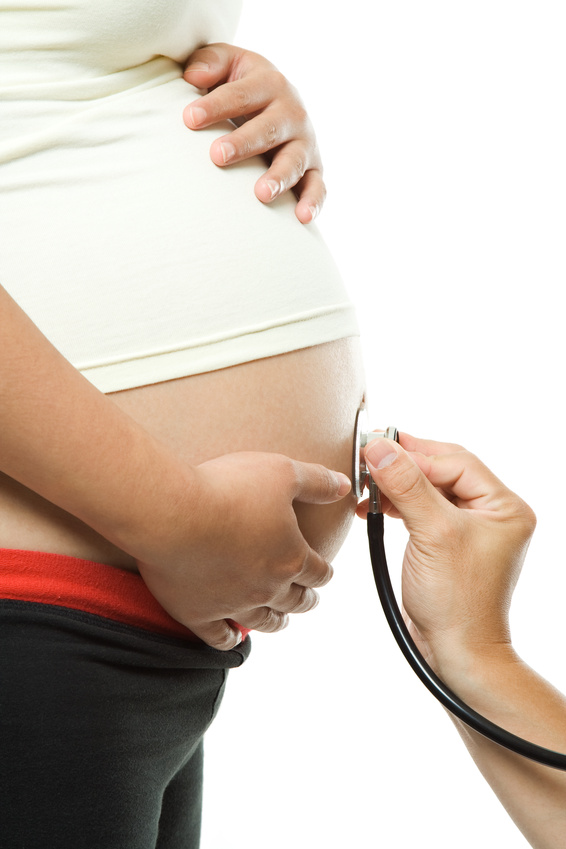
Women with polycystic ovary syndrome (PCOS), a common hormonal disorder, are more likely to experience problems in pregnancy - and their babies will experience problems after birth - says a new study.
If you’ve been diagnosed with this disorder and are expecting, you should be monitored closely by your doctors to make sure you and your baby are healthy.
The researchers found that mothers with the condition were more likely to experience pregnancy-related high blood pressure (preeclampsia) and premature delivery, and faced a doubled risk for developing gestational diabetes.
Also, the babies they delivered were typically large (for the baby's age) and had an increased risk for breathing problems.
Women with PCOS should receive extra care during pregnancy.
The researchers note that women with PCOS are often obese and more likely to use assisted reproductive measures, such as fertility treatment. The researchers say that reproductive measures did not cause problems during pregnancy and after birth (in the babies). The study looked at records of 3,787 Swedish mothers with PCOS and more than 1 million mothers without the condition.
The adverse health effects were also not attributed to obesity or age. The study authors think that more answers may surface if further research is done on glucose control, hormones and medical care in women with PCOS.
Earlier studies have linked premature birth to reproductive measures, obesity and PCOS.
PCOS affects about 5-15% of women of reproductive age, according to the National Institutes of Health.
Doctors aren’t sure what causes the disorder, but they believe too much insulin, inflammation and family history of the disease may play a role. Symptoms include difficulty getting pregnant, unexplained weight gain, irregular menstrual cycle and excess facial and body hair.
This clilnical study was published in the British Medical Journal.
All information on this site is provided “as-is” for informational purposes only and is not a substitute for medical advice or treatment. You should consult with a medical professional if you have any questions about your health.
More health news
 Natural
Polycystic Ovary Creates Problems
Pregnancy and childbirth complications more common with polycystic ovary syndrome
 Health News
What PCOS Might Mean for Your Hormones
Polycystic ovary syndrome (PCOS) may result in excess adrenal hormones
 Health News
Pregnancy with PCOS: What May Up Your Chances
Polycystic ovary syndrome pregnancy chances may improve when overweight, obese patients lose weight