
The 'Pandemic Within the Pandemic'
Physical activity and well-being took a dive during the COVID-19 pandemic

During coronavirus lockdowns across the world, physical activity levels and well-being dropped. Researchers are calling it a "pandemic within the pandemic."
In a new study of more than 15,000 people in 14 countries, researchers found that COVID-19 lockdowns appeared to harm exercise levels and mental well-being in many people.
Not getting enough exercise has been tied to a host of health problems, including heart disease and obesity. And reduced mental well-being can lead to a broad range of mental health issues, including depression and anxiety.
According to survey data, the amount of moderate exercise people were doing each day fell by 41 percent on average during pandemic restrictions. Among people older than 70, activity levels fell by 56 to 67 percent.
Meanwhile, 73 percent of the survey respondents said their mental well-being had decreased during pandemic restrictions. Very low levels of mental well-being that could indicate depression — as measured by the well-being index from the World Health Organization (WHO) — tripled, from 15 percent before restrictions to 45 percent after.
As COVID-19 numbers drop in many places and vaccines continue to roll out to the general population, the world may be looking at a return to normal. This may be the perfect time to take some steps to increase physical activity and mental well-being. More on those issues below.
Getting More Exercise
Experts usually recommend starting small when you want to get more exercise or boost your physical activity. Take short walks, choose the stairs over the elevator, and park farther away from the grocery store or wherever you are going.
From there, you can try to go to the gym or do more focused exercise outside or even in your living room.
If it feels hard to exercise at first, remember that any movement is better than no movement. Start as small as you need to and work your way up.
The WHO recommends 150 minutes of moderate exercise or 75 minutes of vigorous exercise every week. For more ideas on how to exercise more, check out "How to Add Movement to Your Day."
Always speak with your doctor before starting any new exercise program.
Boosting Mental Health
Stress, anxiety and depression are all serious mental health problems. But there are treatments for all of them, as well as things you can do to help.
Getting more exercise is a well-known way to boost mental health, so your efforts to move more may also help your well-being. But you can also try talking to friends and family members, taking scheduled breaks to do something fun, yoga and many other stress- and and anxiety-reducing measures.
The most important thing, however, is seeking mental health treatment when you need help. You can get immediate help with a mental health crisis by calling the Disaster Distress Helpline at 1-800-985-5990 (press 2 for Spanish). You can also reach the Suicide Prevention Lifeline at 1-800-273-TALK (8255) (1-888-628-9454 for Spanish).
To learn more about when and how to seek mental health care during the pandemic, click here. And for more ways to reduce your stress, check out "Stress and Your Health."
This study was published in the journal Frontiers in Medicine.
The Spanish Ministry of Science and Innovation and German Research Foundation funded this research. The study authors disclosed no conflicts of interest.
All information on this site is provided “as-is” for informational purposes only and is not a substitute for medical advice or treatment. You should consult with a medical professional if you have any questions about your health.
More health news
 Health News
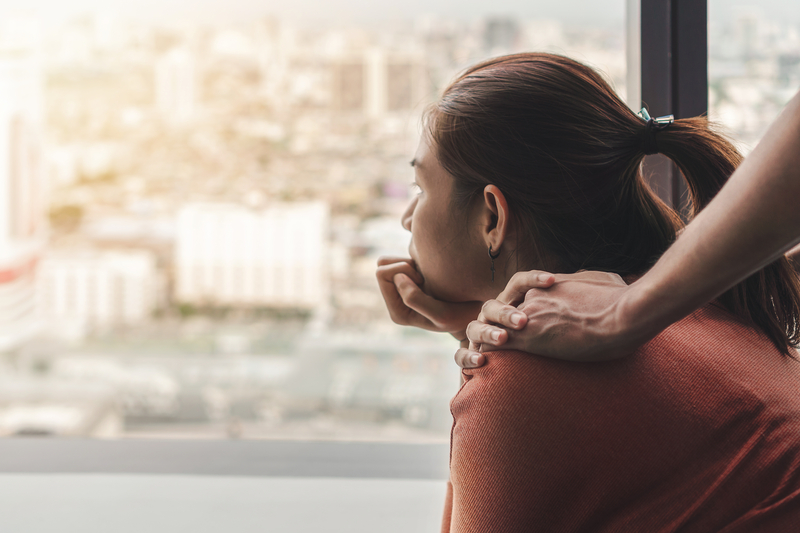
Mental Health During COVID-19
How and when to seek mental health care during the COVID-19 pandemic
 Health News
A “Global Pandemic of Untreated Cancer Pain”
Cancer pain management key in treating millions worldwide
 Health News
When Did COVID-19 Really Hit the US?
COVID-19 may have arrived in the US earlier than health officials thought