
CDC Warns About Serious Virus in Infants
Parechovirus is circulating and can be fatal to infants in some cases

Health officials are warning about a virus that can be fatal to infants.
The Centers for Disease Control and Prevention (CDC) recently warned that parechovirus was circulating in multiple US states.
And while most children have been infected with parechovirus before they enter kindergarten, this virus can be particularly harmful to infants younger than 3 months old, the CDC said.
According to the CDC in a press release, infants who get parechovirus may experience "... sepsis-like illness, seizures, and meningitis or meningoencephalitis, particularly in infants younger than 1 month."
Meanwhile, children between 6 months and 5 years old tend to experience much more mild symptoms, such as fever, rash and upper respiratory tract infections.
Health officials emphasized that this is not a new virus. At this point, it's not even clear that the number of cases of parechovirus cases in 2022 is higher than it has been in recent years.
It is, however, a possible threat to the health of infants and young children. And parents can take the typical precautionary measures, such as hand-washing and avoiding sick people, to help keep their children healthy.
There is no specific treatment for parechovirus, and most cases resolve on their own.
However, it's important to contact your child's doctor if you suspect they might have contracted this illness.
All information on this site is provided “as-is” for informational purposes only and is not a substitute for medical advice or treatment. You should consult with a medical professional if you have any questions about your health.
More health news
 Natural
FDA Warns About Infant Acetaminophen Dosing
Infant acetaminophen concentration can vary
 Health News
Infant Boys Roused More Easily than Girls
Gender difference fails to account for SIDS-related death rates
 Health News
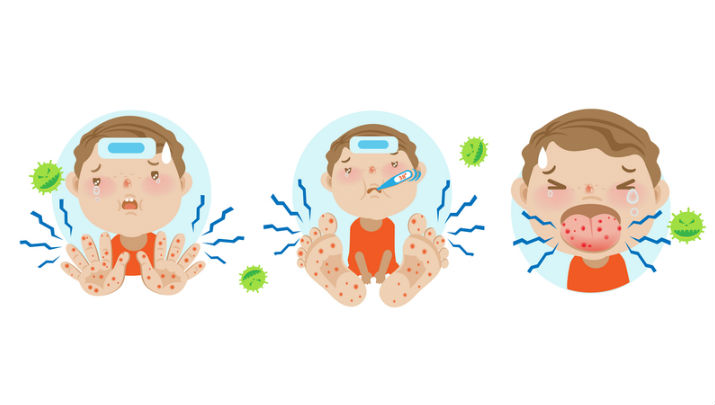
Back-to-School Illnesses: Hand, Foot and Mouth Disease
Steps to reduce your family's risk of hand, foot and mouth disease (HFMD)