Osteoporosis and Bone Health: What You Should Know
Osteoporosis is a condition that causes bones to become weak and more likely to break.
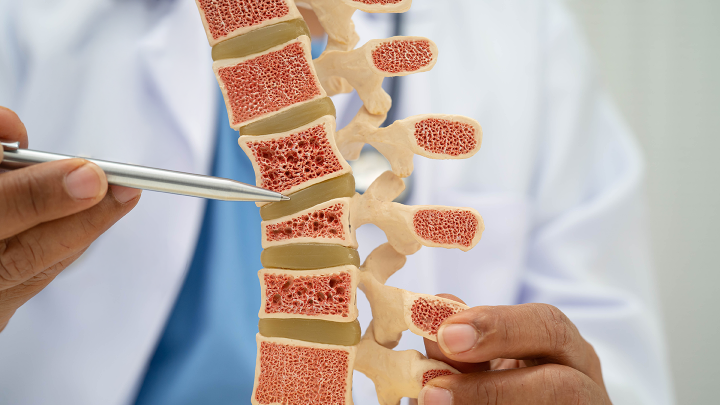
Your bones help support your body and protect your organs. As you get older, your bones can become weaker. Osteoporosis is a condition that causes bones to become weak and more likely to break.
Osteoporosis can affect anyone, but the risk increases with age and is especially common in women after menopause.
What Are the Signs of Osteoporosis?
Osteoporosis is sometimes called a "silent disease" because you may not know you have it until you break a bone.
Bones commonly affected include the hip, spine and wrist. Osteoporosis may also cause:
- Back pain
- Loss of height
- A hunched or stooped posture
- Bones that break more easily than expected
How Is Osteoporosis Diagnosed?
Your health care provider may recommend a bone density test. This test measures how strong your bones are and can help determine your risk of breaking a bone.
Talk to your provider about when bone density testing may be right for you.
How Can You Keep Your Bones Healthy?
Healthy habits can help protect your bones as you age.
Try to get enough calcium and vitamin D. Regular physical activity, especially weight-bearing and muscle-strengthening exercises, can also help keep your bones strong.
Avoid smoking and limit alcohol. These habits can help lower your risk of bone loss.
Some people with osteoporosis may also need prescription medicine to help strengthen their bones and lower their risk of fractures.
Talk to your health care provider about your risk for osteoporosis and the steps you can take to keep your bones healthy.
Sources
- National Institute of Arthritis and Musculoskeletal and Skin Diseases, "Osteoporosis"
- National Institute on Aging, "Osteoporosis"
- Centers for Disease Control and Prevention, "About Physical Activity and Arthritis"

Michelle Barney is a Clinical Solutions Manager at Lumistry, where she brings the practicing pharmacist’s perspective into the creation and evolution of pharmacy technology solutions. A clinical pharmacist by training, Michelle has built her career across retail pharmacy and health technology, including serving as Vice President of Clinical Operations at VUCA Health prior to its acquisition by Lumistry. She has held leadership roles spanning clinical operations, product, and marketing, and brings firsthand experience managing pharmacy teams and workflows. In her current role, Michelle partners closely with cross-functional teams to ensure Lumistry’s products are rooted in real-world pharmacy needs—helping pharmacies work more efficiently, confidently, and effectively in their day-to-day practice.
All information on this site is provided “as-is” for informational purposes only and is not a substitute for medical advice or treatment. You should consult with a medical professional if you have any questions about your health.