
FDA Issues Warning for Liver Rx
Ocaliva (obeticholic acid) linked to risks in patients with liver disease
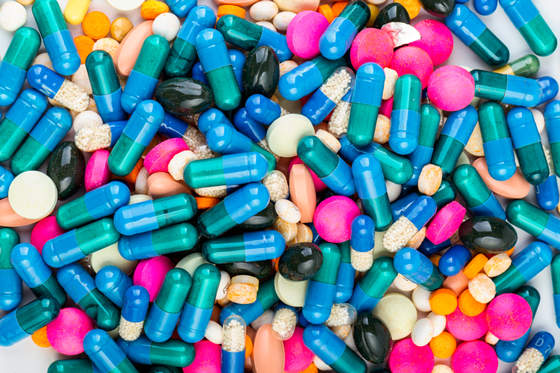
The US Food and Drug Administration (FDA) is warning that a medication for a rare liver disease could pose deadly risks to some patients.
The FDA issued this warning after the agency received reports of 19 deaths linked to Ocaliva (obeticholic acid) in 13 months. Ocaliva is used to treat a rare type of liver disease called primary biliary cholangitis (PBC).
The agency said some of the deaths and injuries tied to Ocaliva were the result of incorrect dosing. However, the FDA warned that this medication could harm the livers of patients with mild PBC when given in the correct dose.
The FDA and Ocaliva manufacturer Intercept Pharmaceuticals are working to revise the dosing instructions included on the medication's label. In the meantime, the FDA is advising health care professionals of safer dosing regimens.
In addition to the 19 deaths tied to Ocaliva use, the FDA also determined that 11 cases of serious liver injury were tied to the medication. Patients who experience any of the following symptoms should contact their health care providers immediately: skin itching, blood in the stool, yellow skin or eyes, nausea, vomiting, diarrhea, fatigue, weight loss, decreased appetite, stomach swelling and behavioral changes.
The FDA encouraged patients and health care professionals to report adverse events tied to Ocaliva to the FDA MedWatch program.
All information on this site is provided “as-is” for informational purposes only and is not a substitute for medical advice or treatment. You should consult with a medical professional if you have any questions about your health.
More health news
 FDA Approvals
Rare Liver Disease Gets First New Rx in Years
Ocaliva (obeticholic acid) approved to treat primary biliary cholangitis
 Natural
Coffee May Curb Liver Disease
Coffee may guard against sclerosis of the liver
 Health News
Diabetes to Liver Disease to Transplant
Obesity and diabetes lead to rise in nonalcoholic steatohepatitis but transplant survival rates are excellent