
Cancer and Cannabis Do not Mix, But Lupus...
New study reveals how cannabis suppresses immune functions

Smoking marijuana can trigger a suppression of the body's immune functions, making users more susceptible to certain types of cancers and infections.
The results from the recent study led by Dr. Prakash Nagarkatti from the University of South Carolina are published in the European Journal of Immunology.
"We believe the key to this suppression is a unique type of immune cell, which has only recently been identified by immunologists, called myeloid-derived suppressor cells, MDSCs," said Nagarkatti.
MDSCs actively suppress the immune system, possibly even against cancer therapy, thereby promoting cancer growth. The team of researchers demonstrated how cannabinoids can trigger a massive number of MDSCs.
"Marijuana cannabinoids present us with a double edged sword," said Nagarkatti.
Due to cannabinoids’ immunosuppressive nature, they can cause increased susceptibility to cancer and infections, but further research of these compounds “could provide opportunities to treat a large number of clinical disorders where suppressing the immune response is actually beneficial,” said Nagarkatti, such as the case with autoimmune diseases like lupus and multiple sclerosis.
Close to 200,000 people in the U.S. have Lupus, with women being affected nine times more than men. Women of Afro/Caribbean descent are affected three times more often than other ethnic groups. Lupus is an autoimmune disease that attacks multiple organ systems and connective tissues in the body, is incurable, but treatable, and most people with it will live a normal lifespan. The initial symptoms of Lupus are fever, joint pain and fatigue. About 30 percent of lupus patients have dermatologic symptoms, with 30 percent to 50 percent getting the characteristic butterfly shaped rash on the face. Another very serious complication is end stage renal disease (ESRD), and kidney transplants are common. Lupus can also be drug induced by quinidine, phenytoin (Dilantin), hydralazine (Apresoline), and procainamide (Pronestyl), but is fortunately reversible. Drugs used to treat lupus are frequently DMARDS (disease modifying anti-rheumatic drugs) such as Humira, Rituxan, Remicade, Methotrexate, and Enbrel; Steroids and other immunosuppressants help reduce symptoms as well, with examples being Belimumab and Atacicept. Painkillers are common and often necessary. An ANA (anti-nuclear antibody) blood test is frequently used to diagnosis lupus.
All information on this site is provided “as-is” for informational purposes only and is not a substitute for medical advice or treatment. You should consult with a medical professional if you have any questions about your health.
More health news
 Health News
Killing Pests Can Hurt You Too
Pesticides linked to increased risk of lupus and rheumatoid arthritis
 Clinical Trials
Study Points to Increased Risk of Lupus in Men
TLR7 gene shown to promote lupus, putting men at risk
 Health News
Not Looking Good for Lupus and Kidney Patients
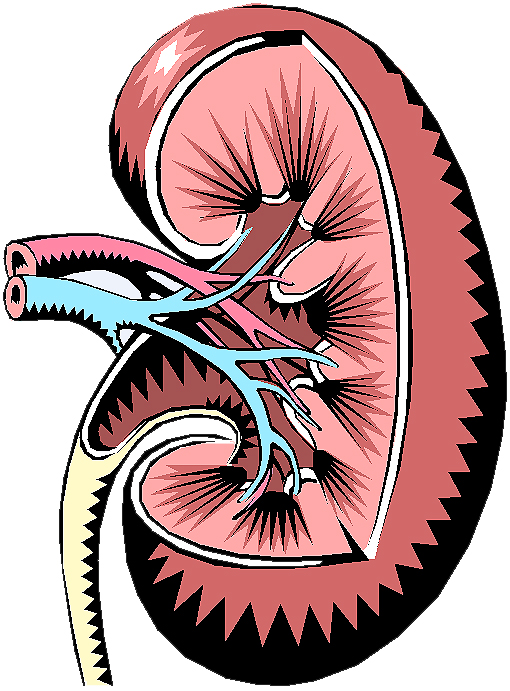
Increased rates of end-stage renal disease caused by lupus