
Pass the Salt!
New study questions guidelines about sodium intake for diabetes patients
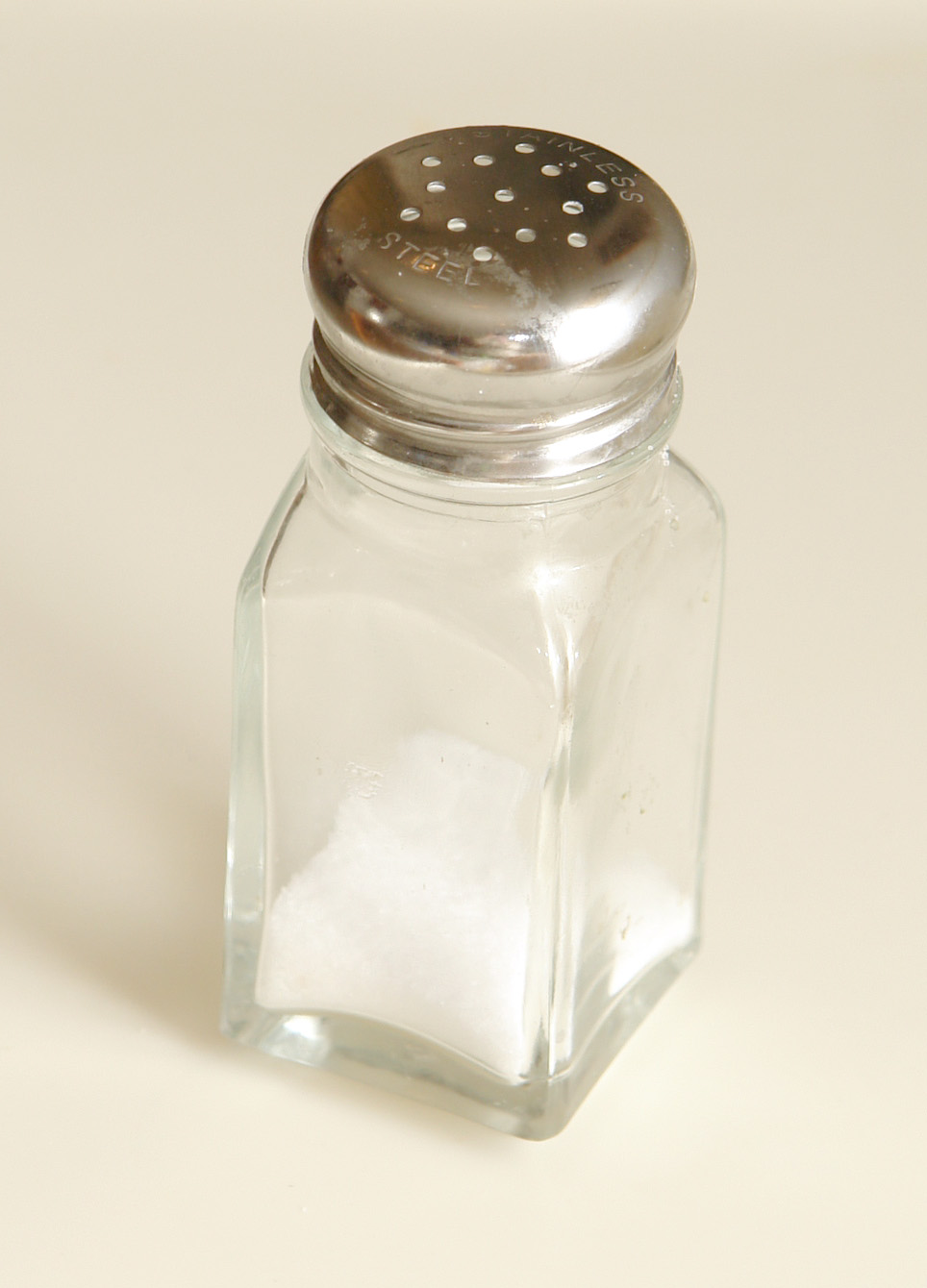
Current guidelines tell diabetes patients to reduce the amount of salt in their diets. However, a new study by Australian researchers challenges this advice.
For this study, Elif I. Ekinci, M.B.B.S., from the University of Melbourne, and colleagues examined sodium levels in the urine of 638 patients with type 2 diabetes. Many of the patients also had heart disease and high blood pressure, and almost half of them were obese.
At the beginning of the study, the average amount of sodium in the urine of participants was a little over 4 grams per day, which is consistent with previous surveys.
Over the course the decade-long study, 175 patients passed away, mainly as a result of heart disease.
The researchers observed that the study participants were 28 percent less likely to die for every extra 2.3 grams of sodium in their urine. This remained true even after taking into account kidney disease, age, and other important factors.
According to the authors, the association between a lower risk of death and higher sodium levels in patients' urine is a little unexpected. Potentially, current guidelines may be recommending practices that are not entirely beneficial to all type 2 diabetes patients.
The authors also acknowledge that their study did not identify a causal relationship between dietary salt and patient outcomes. The study was only observational. Future research should involve interventional studies in which scientists control for more factors. However, the findings made by Ekinci and colleagues suggest that current guidelines may need to be revisited and adjusted.
Over 23 million Americans suffer from type 2 diabetes. According to the 2010 Dietary Guidelines for Americans, patients of type 2 diabetes should not eat more than 1.5 grams of sodium each day.
The study is published in the journal Diabetes Care.
All information on this site is provided “as-is” for informational purposes only and is not a substitute for medical advice or treatment. You should consult with a medical professional if you have any questions about your health.
More health news
 Health News
Please Pass the Salt, My Heart'll Be Okay
Lowering salt intake may not reduce risk of high blood pressure or cardiovascular death
 Natural
Does Salt Damage Blood Vessels?
Salt in arteries increases hypertension risk
 Natural
Americans Unconcerned About Sodium Intake
Reduce sodium consumption to manage blood pressure and hypertension