
Serotonin's Profile Expands
Neurotransmitter serotonin shown to play role in autism spectrum disorders
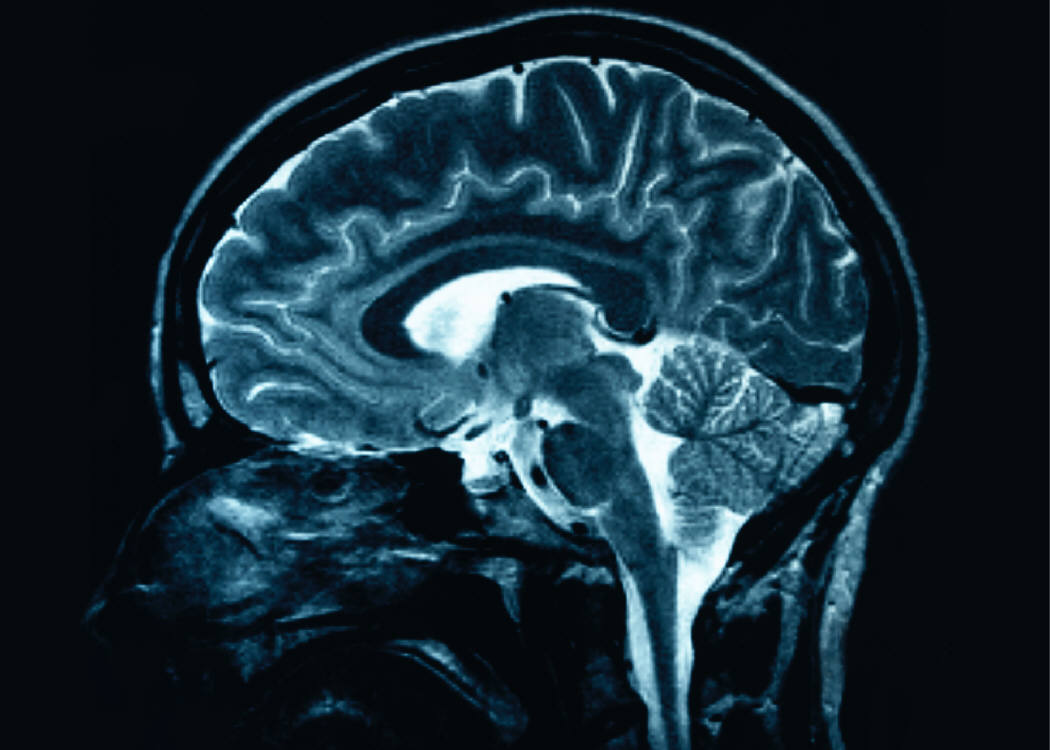
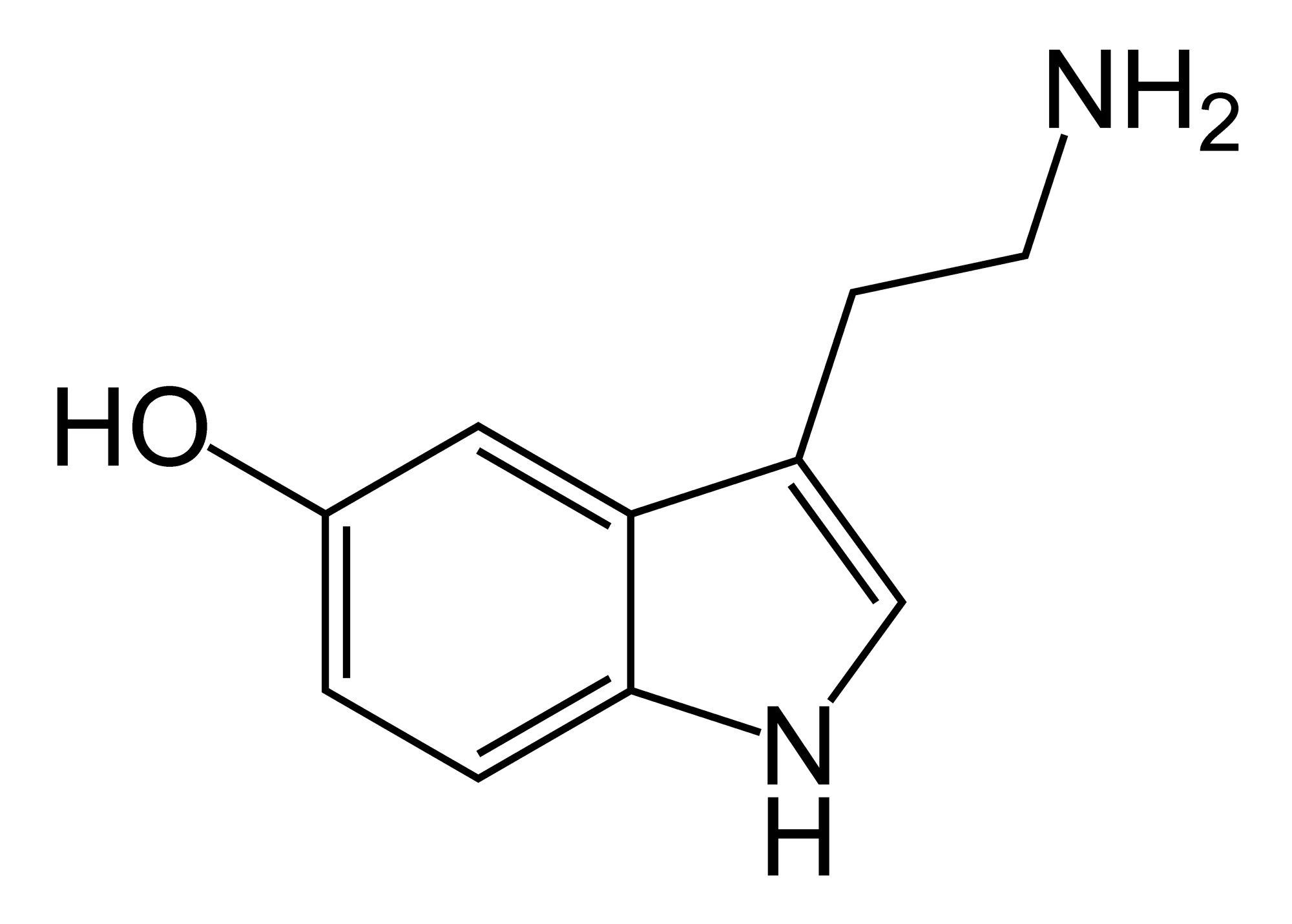
The neurotransmitter serotonin -- known for providing a sense of well-being and contentment in humans and implicated in depression and other psychiatric disorders -- has been shown to play a role in autism.
New research from The University of Texas Health Science Center, San Antonio, (HSCSA) shows serotonin may play a role in about thirty percent of autism cases. Mice in the study yielded important clues about the spectrum of disorders associated with autism, which is characterized by social impairment and repetitive behaviors.
Study leader Georgianna Gould, Ph.D., research assistant professor of physiology in the Graduate School of Biomedical Sciences, with a cohort of researchers demonstrated a medication called buspirone improved the social behavior of mice. Buspirone (Buspar®) is approved by the U.S. Food and Drug Administration (FDA) for the treatment of anxiety and depression.
Gould said the study offered further proof serotonin might be possibly implicated in a significant portion of autism spectrum disorders.
Austin spectrum disorders impact about 1 in 110 children in the United States.
All information on this site is provided “as-is” for informational purposes only and is not a substitute for medical advice or treatment. You should consult with a medical professional if you have any questions about your health.
More health news
 Mental Health
SERTified: Serotonin’s Link With Autism
Autism spectrum disorder may be related to serotonin levels in the brain and bloodstream
 Mental Health
New OCD Treatment on Horizon
Obsessive compulsive disorder treatment looks promising
 Prescription Drugs
Antidepressants Linked to Autism?
SSRI prescription during pregnancy may be associated with autism