
Neurological Connectivity Disrupted After Brain Injury
Mild traumatic brain injury patients left with abnormal neurological connectivity
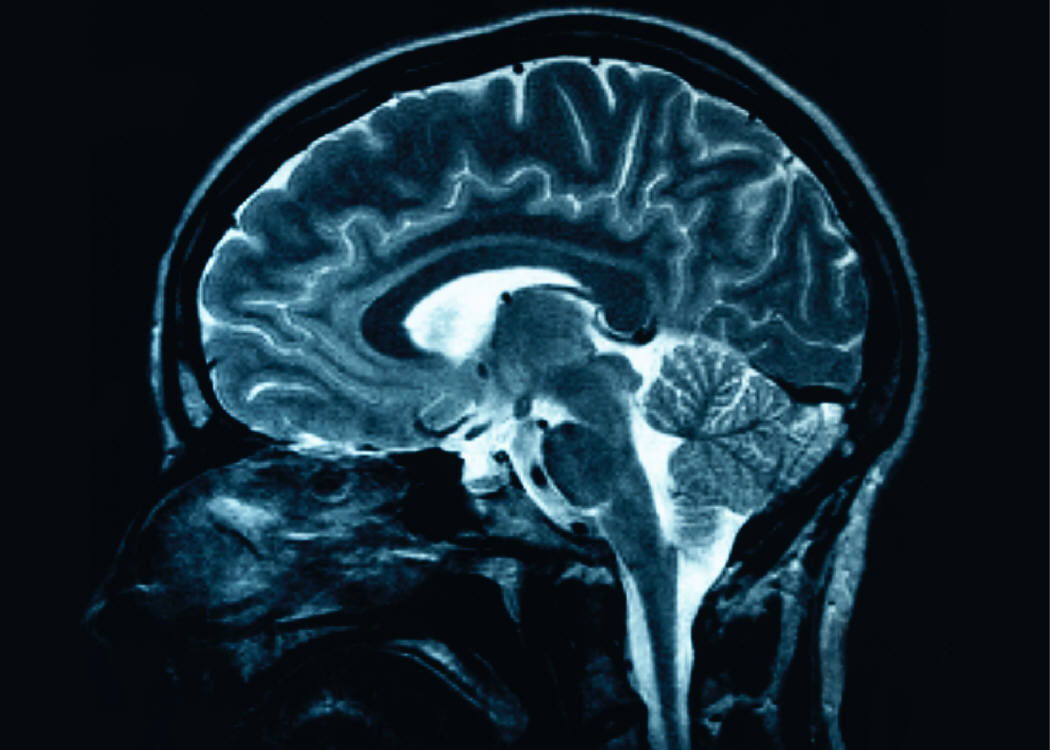
Following a traumatic brain injury, some patients just aren't themselves. They might experience trouble sleeping, mood swings, psychotic behavior and problems with impulse control.
It may be because patients who suffer mild traumatic brain injury have abnormal brain connectivity following such an injury.
Go to a hospital immediately is you suspect a mild traumatic brain injury.
Dr. Yulin Ge, an associate professor in the department of radiology at NYU Langone Medical Center and co-author of the study, said resting-state functional MRIs showed connectivity problems following mild traumatic brain injury caused by subtle injury to the thalamus, a centrally located relay station for transmitting information throughout the brain.
Each year in the United States, about 1.5 million people experience traumatic brain injuries from sudden brain trauma. Mild TBI (MTBI), or a concussion, accounts for about 75 percent of all traumatic brain injuries.
Researchers compared activity level among groups of brain cells to see which networks communicate with each other. Brain networks such as resting state networks may be detected when the brain is at rest. The networks are associated with working memory.
Dr. Ge and his research team used resting-state functional MRI, which provides data about connectivity and communication among brain regions. He studied brain activity of 24 patients with MTBI and 17 healthy control patients.
Investigators discovered that the control group had symmetrical brain connectivity, while the MTBI group had an abnormal disrupted pattern with decreased symmetry. These findings were easily linked to symptoms and diminished neurocognitive function found in the traumatic brain injury patients.
Dr. Ge noted that the thalamic functional networks have many functions, and their disruption could result in a burning sensation, mood swings and sleep disorders, and could contribute to psychotic, anxiety and impulse control disorders. Post-concussive syndrome is not well understood so there is no treatment, but the research could aid with new therapeutic strategies.
The study was recently published in Radiology.
All information on this site is provided “as-is” for informational purposes only and is not a substitute for medical advice or treatment. You should consult with a medical professional if you have any questions about your health.
More health news
 Mental Health
It’s Not Just a Bump on the Head
Traumatic brain injury may have different consequences than previously thought
 Mental Health
Head Injuries, Depression & Suicide
Traumatic brain injury and chronic traumatic encephalopathy can have negative effects on mood
 Mental Health
One Year Later, the Brain Can Still Hurt
Traumatic brain injury symptoms can continue one year after injury