
Stents Safe for Metal Allergy Patients
Metal allergy patients can safely receive metal coronary artery stents
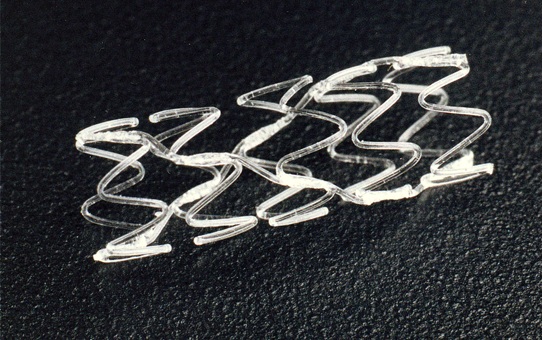
For patients with allergies to metals such as nickel, metal stents to open arteries and improve blood flow to the heart had proved troubling for cardiologists treating their coronary artery disease.
A Mayo Clinic study has found that metal stents are safe in patients with hypersensitivity to nickel or other compounds in metal.
If you suspect a metal allergy, speak with a doctor.
Rajiv Gulati, MD, PhD, an interventional cardiologist at Mayo Clinic in Minnesota, said he found no evidence of an increased risk of heart attack, death or recurrent blood vessel narrowing within the stent in patients that reported a metal allergy prior to the procedure.
Dr. Gulati said the findings should provide reassurance for doctors and patients facing the dilemma, since conflicting data has previously been reported on the topic.
During the small study researchers evaluated the short- and long-term clinical outcomes of 29 patients with a history of metal allergy who were implanted with a coronary stent. Of those patients, 11 tested positive to a patch test for metal allergies.
The remainder were presumed to have allergies by their history. These patients were compared to 250 participants who received a stent, but did not have allergies.
There were no significant differences between the two groups in the the number of patients who died, had repeat revascularization or heart attacks at either 30 days or four years.
Investigators also examined patients for an allergic response to the stent. Markers, including white blood cell count, remained unchanged after the stents were placed, suggesting there was no immune reaction in patients with a history of metal allergy.
Coronary stents are constructed of stainless steel, cobalt-chromium alloy, or platinum-chromium alloy platforms. All contain at least some nickel, chromium and chromate. About 8 percent of the population is believed to suffer from a form of metal hypersensitivity, often from jewelry such as earrings.
Dr. Gulati urged product labeling for stents in the U.S. about potential complications in patients with allergies. He said there is not much data to support these warnings, but caution should be taken until further research has been completed.
The study was published in the April 16 issue of Circulation: Cardiovascular Interventions.
All information on this site is provided “as-is” for informational purposes only and is not a substitute for medical advice or treatment. You should consult with a medical professional if you have any questions about your health.
More health news
 Prescription Drugs
A New Generation of Heart Stents
Drug eluding stents carry a 50 percent lower risk of stent thrombosis
 Clinical Trials
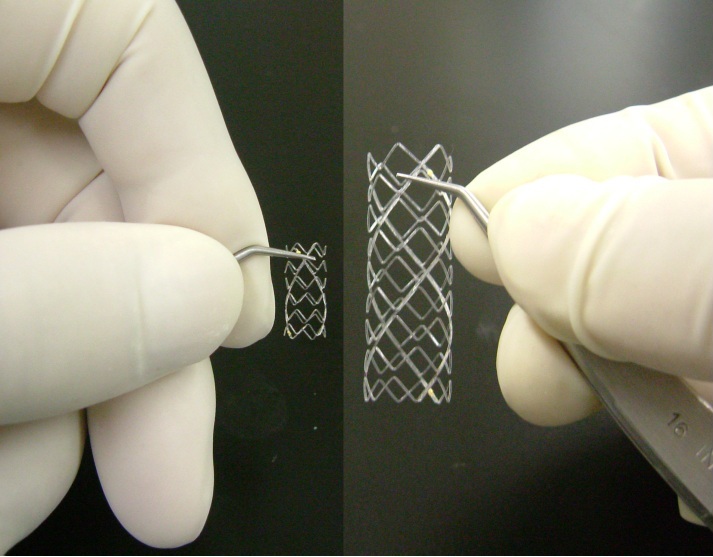
Biodegradable Stents Safe Long Term
Biodegradable coronary artery stents safe over 10 year period
 Prescription Drugs
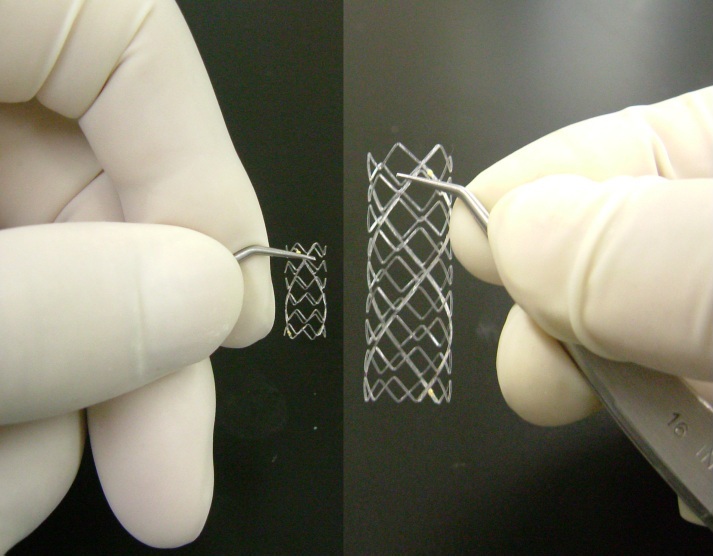
Stent Decisions Not Tied to Risk
Drug eluting stent choice not made based on reblockage risks