
Young Teens More Likely to Have Vaginal Delivery
Lower rate of C-section among young teenagers
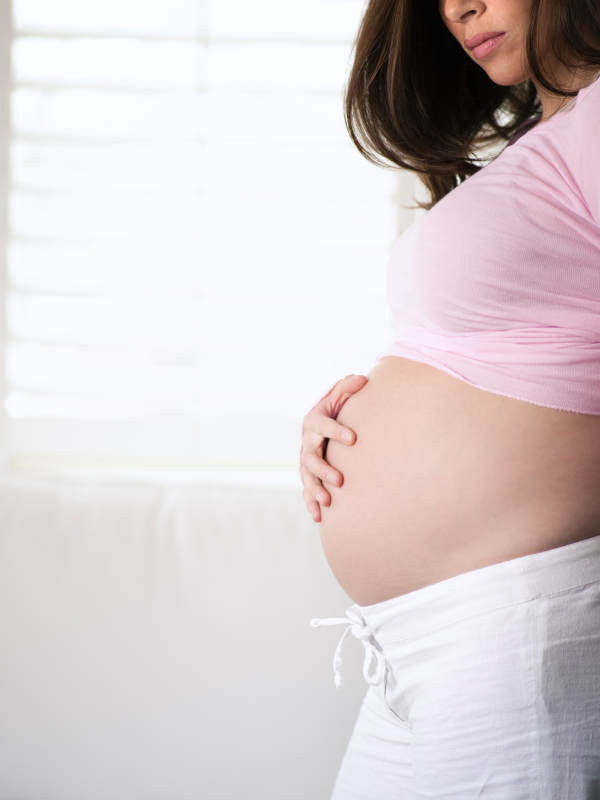
Parents, you can breathe a sigh of relief: teenage pregnancy is becoming less common in the U.S., which is good news because there are many risks associated with teen pregnancy.
The latest report is helping researchers learn more about adolescent pregnancy, including how teen moms deliver their baby.
Researchers have had scarce data on methods of delivery among teen moms, which can help experts better understand the risks and potential problems faced by young moms.
One recent study tracked more than one million pregnancies and found that mothers younger than 16 years old are more likely to deliver vaginally instead of through Cesarean section (C-section), compared to women between the ages of 16 and 35.
Teen moms should take extra care to stay healthy during pregnancy.
Temple University researchers looked at pregnancies recorded in a New Jersey registry between the years 1997-2005. It included 1,004,116 pregnancies.
The results show that "contrary to popular belief," the vaginal delivery rate among young teens was higher at 82.7%, compared to 71.6% among women between 16-35 years old, writes lead author Dr. Dimitrios Mastrogiannis, associate professor of Obstetrics, Gynecology and Reproductive Sciences at Temple University School of Medicine in Philadelphia.
Young teens are less likely to have a C-section because young teens are maturing physically and their ligaments could me more flexible, he said in an interview.
Just 0.5% of those studied were younger than 16 years old, while 86% of the moms were between 16 and 35.
The results also show that teens and their babies had greater health risks: The young teens were more likely to have smaller babies at an average weight of 3,079 g (about 6.8lbs), compared to 3,306 g (about 7.3lbs) for older moms.
The young teens were also more likely to give birth prematurely (15% compared to 9.8%), have pregnancy-related hypertension (3.2% compared to 2.1%), and longer labors (12.4 hours compared to 9.2 hours).
However, they were less likely to have gestational diabetes, as it occurred in just 0.1% of young teen pregnancies, compared to 2.1% for older moms.
Teens are more likely to have unhealthy habits that place the mother and baby at risk, which is why birthing complications are common in teen pregnancy, according to the National Institutes of Health.
Vaginal delivery is considered to pose fewer risks than C-section, says the American Pregnancy Association. Post-delivery recovery time is shorter and maternal mortality to the delivering mother is lower. However, health problems or delivery complications make C-section necessary for many moms. Plus, many women are opting to deliver by elective C-section for the perceived convenience of the procedure, say some studies.
The latest report from the Centers for Disease Control and Prevention (CDC) found that the rate of Cesarean section remains high, compared to a few years earlier, with almost one in three women delivering by Cesarean.
The rate of teen delivery is 39.1 for every 1,000 births in the U.S for 2009, which is the latest data available. While it declined from a year earlier, it’s still high when compared to other industrialized nations.
This study was presented at the annual meeting of the American College of Obstetricians and Gynecologists.
All information on this site is provided “as-is” for informational purposes only and is not a substitute for medical advice or treatment. You should consult with a medical professional if you have any questions about your health.
More health news
 Health News
After One C Section, Another May be Best
C section delivery appears to be the safer choice for women with a prior C section
 Health News
Cesaarean Delivery Trends Tracked
Cesarean section deliveries increase as use of forceps and vacuum-assisted vaginal delivery decrease
 Health News
What if Expecting Mom's Cholesterol is High?
Cholesterol levels in early pregnancy did not increase risk of C sections