
Anesthesia Through the Nose
Kovanaze (tetracaine and oxymetazoline) can replace needles for dental anesthesia

The US Food and Drug Administration has approved the first product that delivers anesthesia for dental procedures via a nasal spray.
This nasal spray is found under the name Kovanaze and is produced by St. Renatus, LLC. It contains two main ingredients: tetracaine HCl and oxymetazoline HCl.
Kovanaze can be used to provide anesthesia for restorative procedures on teeth 4 through 13 and A through J (baby teeth). This nasal spray can be used in both adults and children as long as they weigh 40 kilograms or more. Before the procedure, the dental staff will administer up to three sprays depending on age. The sprays will be administered in the nostril on the same side of the mouth where the dental procedure will take place.
For more than a century, anesthesia for dental procedures has been delivered via a needle. Kovanaze delivers anesthesia in the nasal cavity and provides anesthesia to the tooth nerves, which allows for dental procedures like restorations.
Common side effects of this nasal spray include runny nose, nasal congestion, tearing, discomfort in the nose and pain in the throat.
If you have high blood pressure, tell your dentist. Kovanaze contains an ingredient that may increase blood pressure. Also, tell your dentist if you have a thyroid condition, have recurrent nose bleeds or have a blood disorder called methemoglobinemia (abnormal amount of a form of hemoglobin).
All information on this site is provided “as-is” for informational purposes only and is not a substitute for medical advice or treatment. You should consult with a medical professional if you have any questions about your health.
More health news
 Prescription Drugs
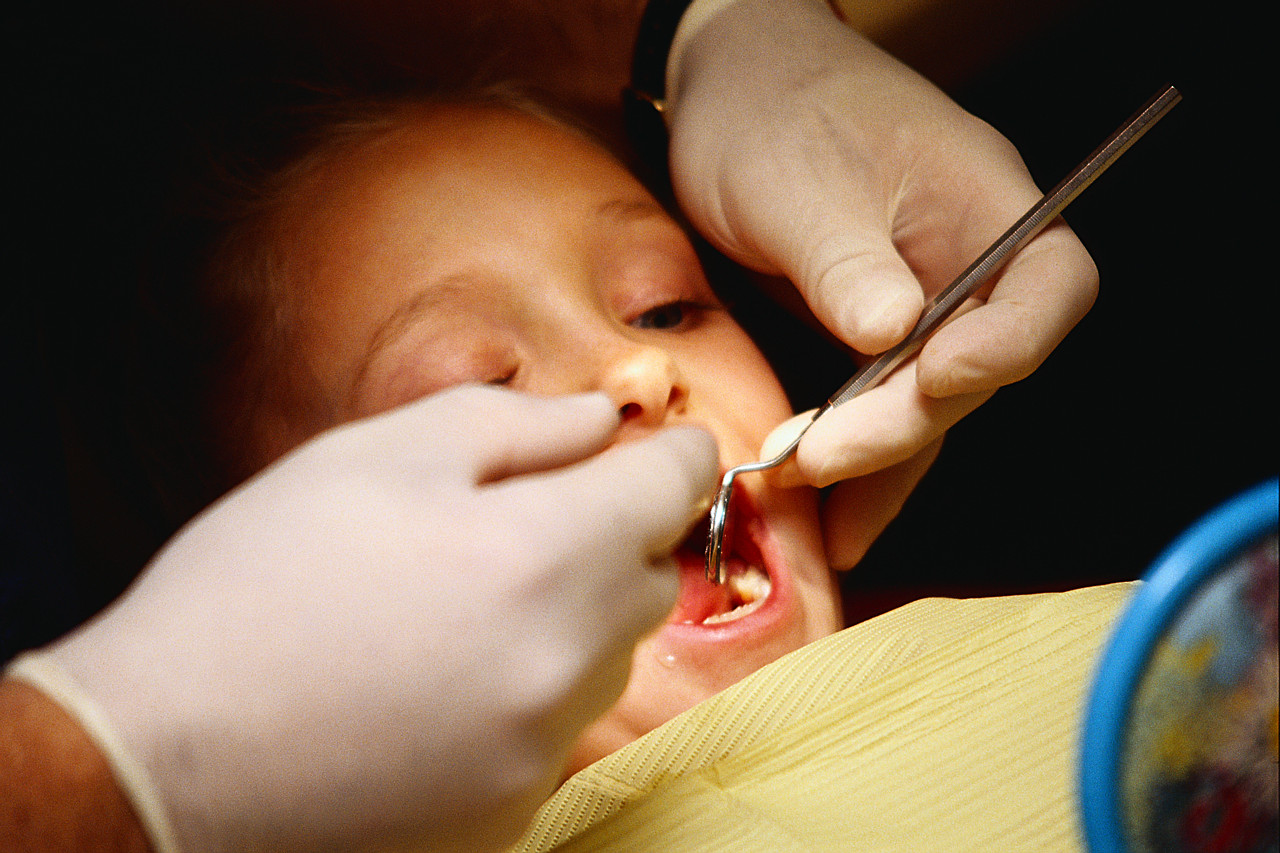
Accidental Nip of the Wisdom Tooth Bud
Wisdom tooth buds may be vulnerable to damage in childhood dental procedures
 FDA Approvals
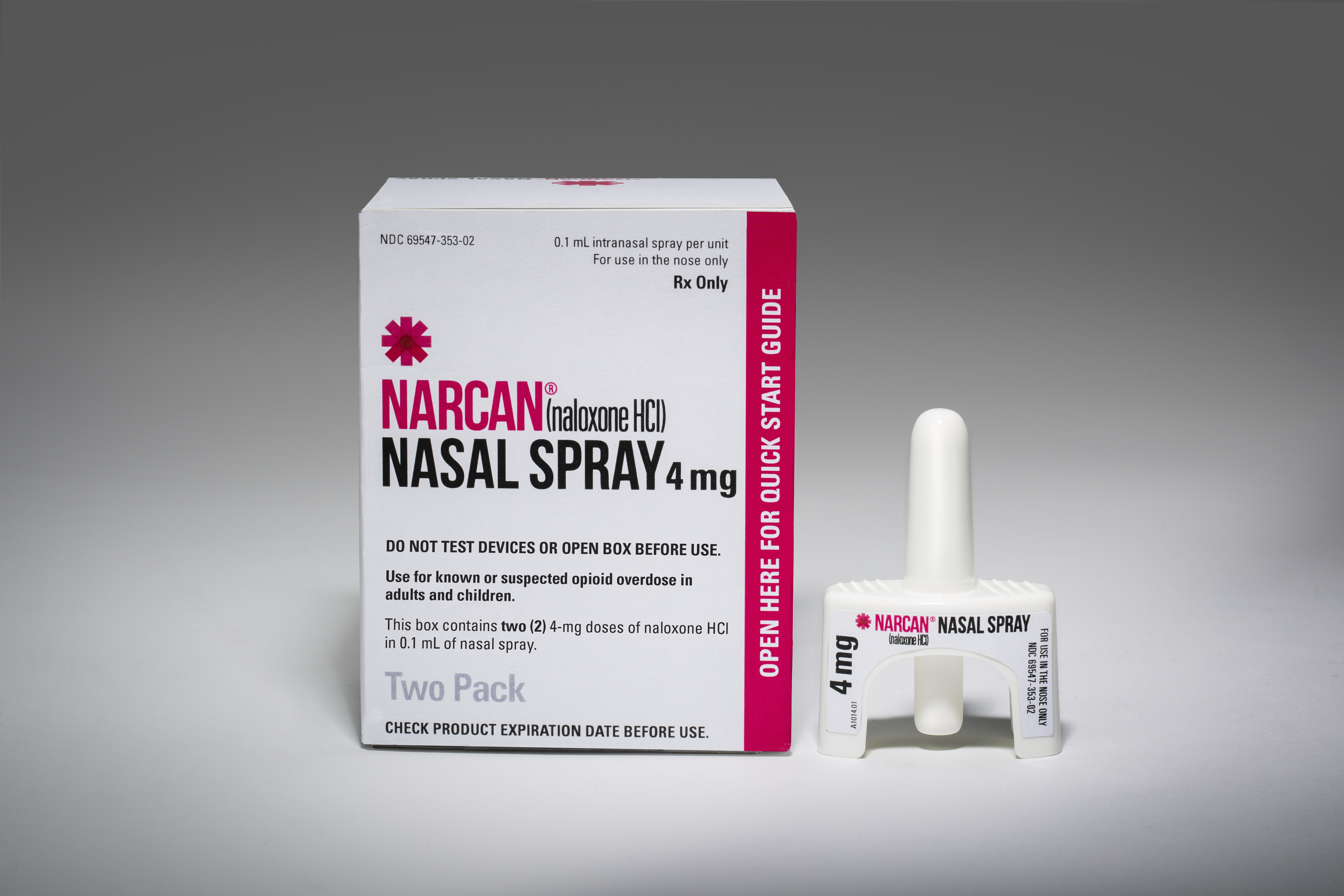
Overdose Nasal Spray Rx Approved
Narcan nasal spray (naloxone hydrochloride) approved to reverse opioid overdose
 Health News
"Mother's Kiss" May Clear a Kid's Nose
Children with objects stuck in noses may avoid medical intervention with this technique