
How Long to Suckle?
Investigators review and dispute WHO breastfeeding recommendation
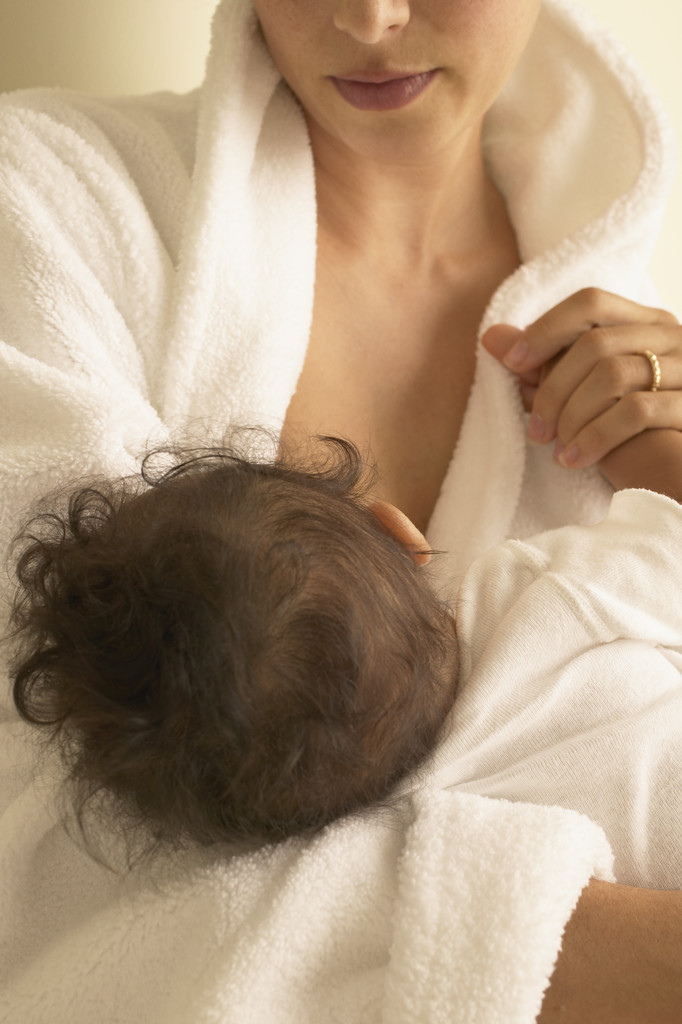
In 2001, the World Health Organization (WHO) recommended that mothers exclusively breast feed their babies for the first six months. However, a new review disputes the WHO recommendation.
The study is published online at bmj.com.
According to Dr. Mary Fewtrell, a consultant pediatrician at the UCL Institute of Child Health, and her team, exclusive breastfeeding during early life is highly beneficial to the baby. Yet, doing so for the entire first six months may be damaging to children's health as they are not introduced to more nutrient-rich foods.
Past studies have shown that breastfeeding holds many benefits for infants, children, and mothers. In spite of that, statistics from the CDC show low rates of exclusive breastfeeding at 3 and 6 months as well as 12 months.
The WHO's recommendation is mainly based on evidence that exclusively breast-fed babies have fewer infections and no growth problems. In addition, exclusive breastfeeding is especially favorable in less developed areas of the world where the risk of food-borne illness poses a great threat to infants. However, Fewtrell and colleagues believe that mothers in more developed countries with clean water and safer foods should start introducing their children to solid foods before six months as babies who are exclusively breast fed are at greater risk of iron deficiency, celiac disease and food allergies if they are not introduced to certain solid foods.
All information on this site is provided “as-is” for informational purposes only and is not a substitute for medical advice or treatment. You should consult with a medical professional if you have any questions about your health.
More health news
 Natural
Pacifier Use May Not Reduce Breastfeeding
Breastfeeding rates not impacted by pacifier availability in the hospital
 Health News
The Answers to Your Breastfeeding Questions
August is National Breastfeeding Month
The Best Baby Food Money Can't Buy
Breastmilk and breastfeeding protect you and your baby from dozens of diseases