
Suicides Down, But Not Because of Antidepressants
Increased medicine sales not linked to lower suicide rate
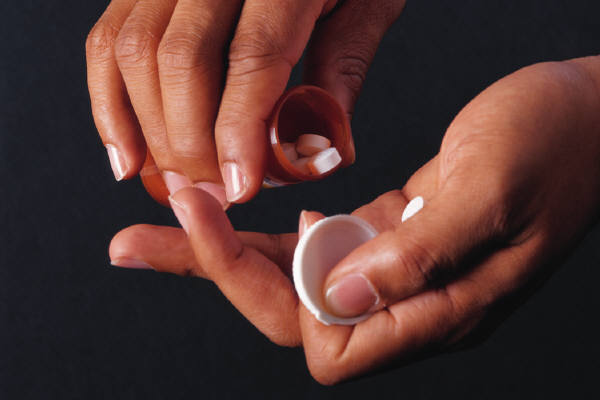
Many researchers have studied the relationship between the increase in sales of new antidepressants in recent decades and a simultaneous decline in the suicide rate.
In a study based on figures from the Nordic countries, researchers at the Norwegian Institute of Public Health found no evidence that increased sales of the new medicines could be linked to a lower suicide rate. The researchers also did not find any relationship between reduced sales of the older and more toxic antidepressants and a reduction in suicide rates.
The suicide rate has been declining since the end of the 1980s in many Western countries, including Norway, Sweden, Denmark and Finland. Around 1990, the new SSRI drugs (selective serotonin reuptake inhibitors) became available on the market. Sales figures for these new antidepressant drugs have increased annually, whereas sales of the older TCA drugs (tricyclic anti-depressants) have declined substantially. TCA drugs are associated with a risk of poisoning with overdose.
In a study recently published in BMC Psychiatry, the researchers gathered data from the Nordic countries about the suicide rate (number of suicides per 100 000 inhabitants) and sales figures for antidepressants, both for SSRIs and TCAs. A total of over 60 000 suicides were included in the study. Scientists have performed a statistical analysis of the relationship between changes in suicide rates and changes in sales figures for both new and older antidepressants in the period 1990-98 in the respective countries. It is during this time period that the increase in sales was greatest and where the greatest drop in suicide rate could be expected.
The main questions asked were:
• Can a significant increase in sales of SSRIs in any one year be related to a sharp decline in the suicide rate in the same year?
• Can the decline in sales of TCAs be related to the decrease in the suicide rate?
When the Nordic countries are studied as one group, the study concludes with a negative answer to both questions.
In a previous study by the NIPH (Bramness et al, 2007) a correlation between the increase in sales figures for SSRIs and the decrease in suicide rate in Norway at the beginning of the 1990s was observed and it was suggested that this could be explained by the fact that fewer people used TCAs to commit suicide. In the new Nordic study this correlation can be disregarded when the other countries are included in the analysis. The new study also found that the reduction in TCA sales cannot explain the reduction in suicide rates. The researchers behind the study conclude that the suicide rate is not affected by sales of antidepressants, but by other factors that are little understood and are difficult to measure.
Reference:
Zahl PH et al. The relationship between sales of SSRI, TCA and suicide rates in the Nordic countries.BMC Psychiatry 2010, 10:62
All information on this site is provided “as-is” for informational purposes only and is not a substitute for medical advice or treatment. You should consult with a medical professional if you have any questions about your health.
More health news
 Health News
Grumpy Old Men (and Women)
Clinical characteristics may accompany mood symptoms in depressed elderly
 Prescription Drugs
New Antidepressants Risky for Elderly
SSRI antidepressants could be more dangerous for elderly
 Clinical Trials
Antidepressants Not a Cure-All for Depression
Common antidepressants not effective with all symptoms of depression