
How Shorter Days Can Affect Your Sleep and Mood
Shorter days can throw off your sleep, energy, and mood. Learn why daylight matters, simple ways to feel your best this season, and how your pharmacist can help.
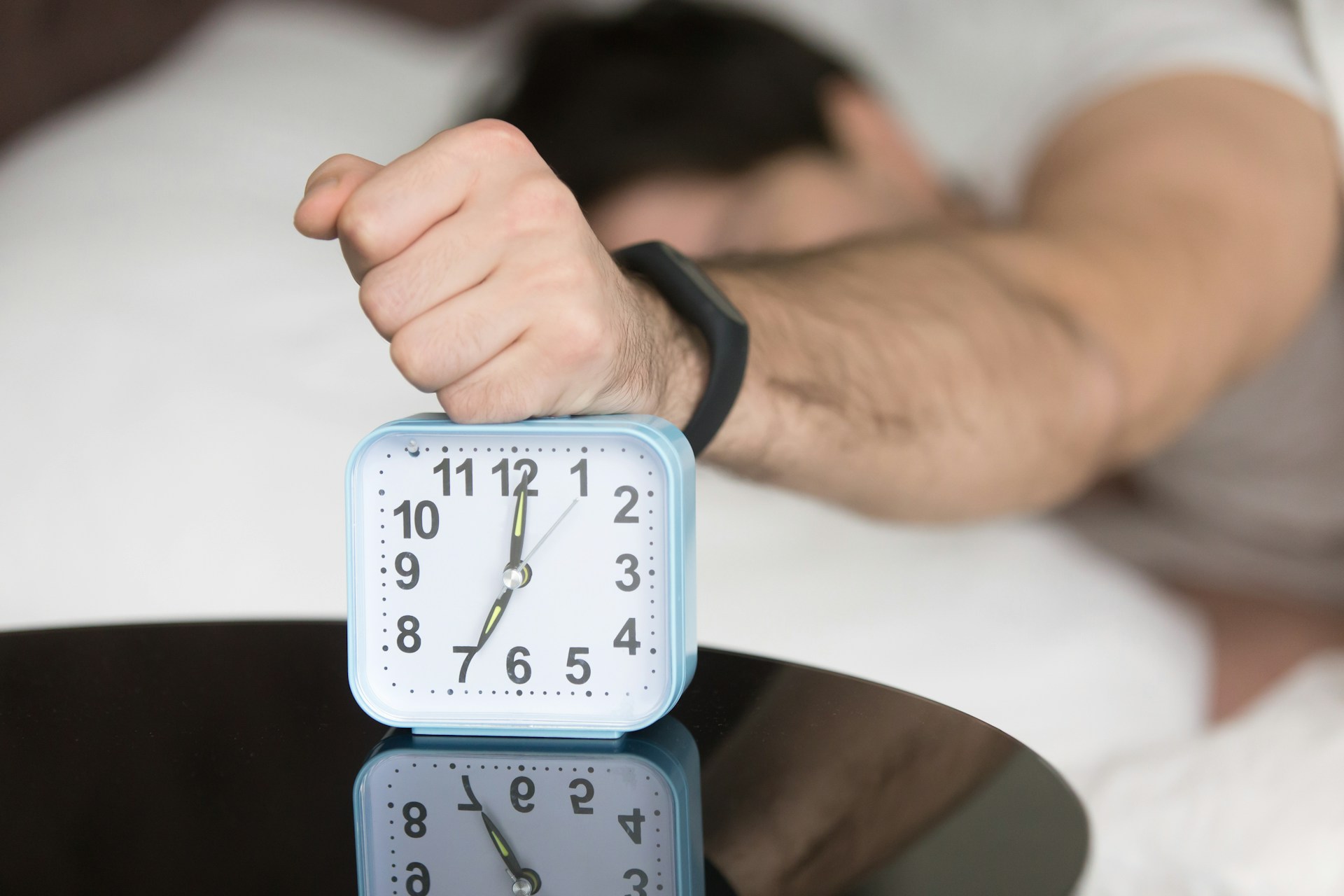
As fall arrives, the days get shorter and there are fewer hours of sunlight. While cooler weather and changing leaves can be enjoyable, less daylight can also affect how you feel. You may notice changes in your sleep, energy levels, or mood as the seasons change. Understanding why these changes happen and how to manage them can help you feel your best throughout the fall and winter months.
Why Does Daylight Matter?
Sunlight plays an important role in regulating your body's internal clock, also called your circadian rhythm. This internal clock helps control when you feel awake and when you feel sleepy.
Natural light also affects the production of melatonin, a hormone that helps your body prepare for sleep. When daylight hours become shorter, changes in light exposure can affect your sleep schedule and energy levels. Spending time in natural light during the day can help keep your body's internal clock on track.
How Can Shorter Days Affect Your Sleep?
As the seasons change, you may notice that you feel tired earlier in the evening or have trouble waking up in the morning. Changes in daylight and daily routines can sometimes make it harder to maintain a regular sleep schedule.
To support better sleep, try going to bed and waking up at the same time each day. Create a relaxing bedtime routine, limit screen time before bed, and keep your bedroom cool, dark, and quiet.
Can Less Sunlight Affect Your Mood?
For some people, shorter days can lead to changes in mood, energy, and motivation. You may feel more tired, less interested in activities, or find it harder to stay focused.
Some people experience a type of depression called seasonal affective disorder, or SAD, which often begins during the fall or winter months. Symptoms may include ongoing sadness, low energy, changes in sleep, and loss of interest in activities you normally enjoy.
If changes in your mood begin to affect your daily life, talk to your healthcare provider. Treatment and support are available.
Simple Ways to Improve Your Sleep and Mood
Small changes to your daily routine can help you feel better as daylight hours become shorter.
- Spend time outdoors: Try taking a walk during daylight hours, especially in the morning. Natural light can help support your body's sleep-wake cycle.
- Stay physically active: Regular exercise can improve sleep quality, boost energy, and support mental health.
- Keep a consistent routine: Try to eat meals, exercise, and go to bed around the same time each day.
- Eat a balanced diet: Include fruits, vegetables, whole grains, and lean proteins to support your overall health.
- Stay connected: Spending time with friends and family can help support your mood and reduce feelings of loneliness.
How Can Your Pharmacist Help?
Your pharmacist can be a helpful resource if you are having trouble sleeping or noticing changes in your energy levels. Some prescription and over-the-counter medications can affect sleep or cause drowsiness. Your pharmacist can review your medications and help identify possible side effects.
If you are considering sleep aids or supplements, such as melatonin, talk to your pharmacist first. These products may not be appropriate for everyone and can interact with certain medications.
Your pharmacist can also help you understand when sleep problems or mood changes may require further evaluation by a healthcare provider.
Feel Your Best as the Seasons Change
Shorter days are a normal part of fall, but they do not have to keep you from feeling your best. Getting natural light, staying active, maintaining healthy sleep habits, and making time for activities you enjoy can help support your physical and mental health.
If you have questions about sleep, medication side effects, or ways to improve your daily routine, talk to your local pharmacist.

Michelle Barney is a Clinical Solutions Manager at Lumistry, where she brings the practicing pharmacist’s perspective into the creation and evolution of pharmacy technology solutions. A clinical pharmacist by training, Michelle has built her career across retail pharmacy and health technology, including serving as Vice President of Clinical Operations at VUCA Health prior to its acquisition by Lumistry. She has held leadership roles spanning clinical operations, product, and marketing, and brings firsthand experience managing pharmacy teams and workflows. In her current role, Michelle partners closely with cross-functional teams to ensure Lumistry’s products are rooted in real-world pharmacy needs—helping pharmacies work more efficiently, confidently, and effectively in their day-to-day practice.
All information on this site is provided “as-is” for informational purposes only and is not a substitute for medical advice or treatment. You should consult with a medical professional if you have any questions about your health.
More health news
 Health News
Fall Into Healthy Habits: Simple Ways to Stay Active
Cooler weather and shorter days don’t have to slow you down. Simple ways to stay active this fall, indoors and out, can lift your mood, boost your energy, and support your heart health.
 Features
Back to School! Are You Ready?
Healthy practices for children before school starts will get the year off to a great beginning
 Health News
The Sound of Sleepy
Australian researchers develop novel method for measuring fatigue through voice