
The Fate of New Hips in Women
Hip replacement failures higher in women than men

Hip joint replacements can help patients regain normal mobility. But just like any surgery, risks are involved in hip replacement. And women may have a higher risk than men when it comes to failure of the new hip.
Women were slightly more likely than men to have a failed hip replacement within three years of surgery, according to a new study.
The findings highlighted the risks and precautions patients should consider before deciding to get a new hip.
Frequent exercise is best for your hip.
Women get their hip joint completely replaced more often than men through a procedure known as total hip athroplasty (THA). Diseased parts of the hip are removed and replaced with new, artificial parts that are often made of metal.
The study, led by Maria Inacio, MS, from the Southern California Permanente Medical Group in San Diego, looked at the ties between gender and the short-term risk of THA revision.
Researchers looked at more than 35,000 THA procedures at hospitals in four states and focused on those that failed for whatever reason. The procedures occurred between April 2001 and December 2010 with about 58 percent performed on women.
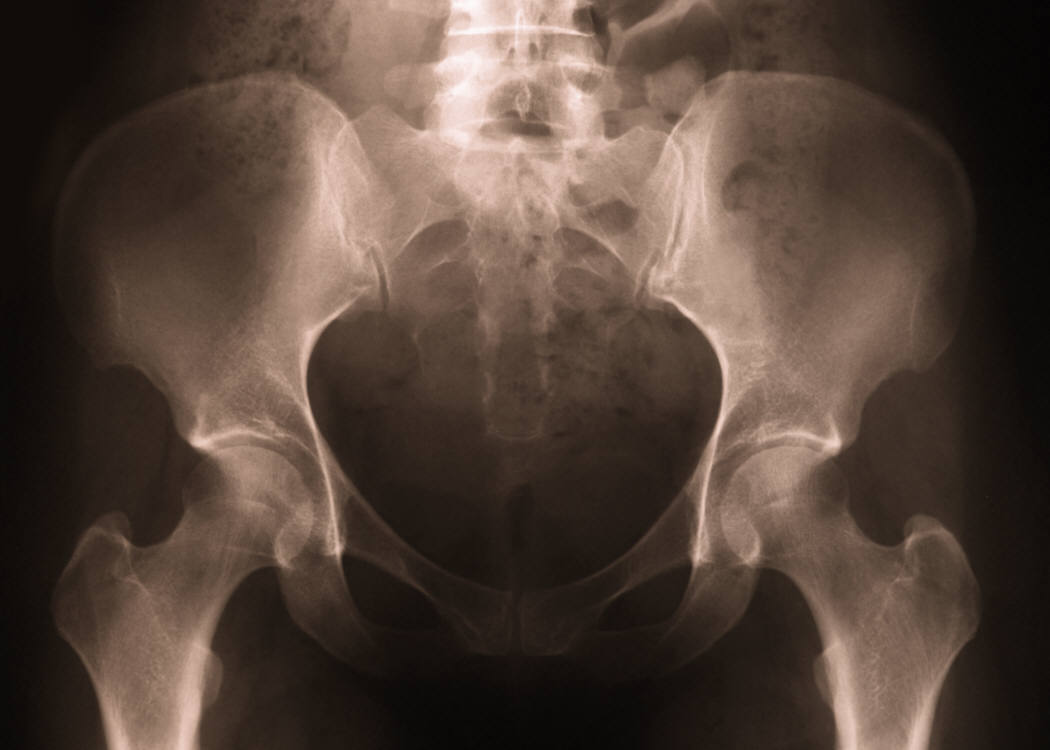
The hip is a "ball and socket" joint. The femoral head or "ball" at the top part of the leg rotates inside the socket of the pelvis to connect the leg to the hip.
Five years after receiving the implant, slightly more than 97 percent of the implants survived overall. Specifically, the devices lasted 97.7 percent of the time for men and 97.1 percent of the time for women.
In their report, the researchers said that the size of the new femoral head may play a role in hip replacement survival. About 28 percent of women received 28-mm femoral heads compared to about 13 percent of men. At the same time, a higher proportion of men (at about 55 percent) received 36-mm or larger femoral heads compared to only 33 percent of women.
Other studies have shown that smaller femoral heads were linked with a higher risk of joint dislocation, which can lead to instability.
"The differences in prosthesis choices in men and women, as well as the follow-up of the presented study and non-measured possible confounders, are important considerations when interpreting these results," researchers wrote in their report.
In addition, women were 32 percent more likely to have a failed procedure because of non-infectious reasons compared to men.
The limitations of the study, the authors noted, included having an observational approach and a short-term follow-up. The observational nature may confound the results.
The study was published February 18 in JAMA Internal Medicine. One of the authors is employed by the Surgical Outcomes and Analysis Department.
The Division of Epidemiology in the Office of Surveillance and Biometrics under the US Food and Drug Administration funded the study.
All information on this site is provided “as-is” for informational purposes only and is not a substitute for medical advice or treatment. You should consult with a medical professional if you have any questions about your health.
More health news
 Health News
Explaining the Pain in Hip Replacement
Hip arthroplasty patients with unexplained pain may be due to tissue damage
 Health News
Risks for Hip Replacement Do-Overs
Total hip replacement revision risk tied to age and body size
 Health News
The Knee Needs of Girls
Knee replacement implants for women no different than standard