
Lead in the Hot Sauce
High lead levels found in some imported hot sauces
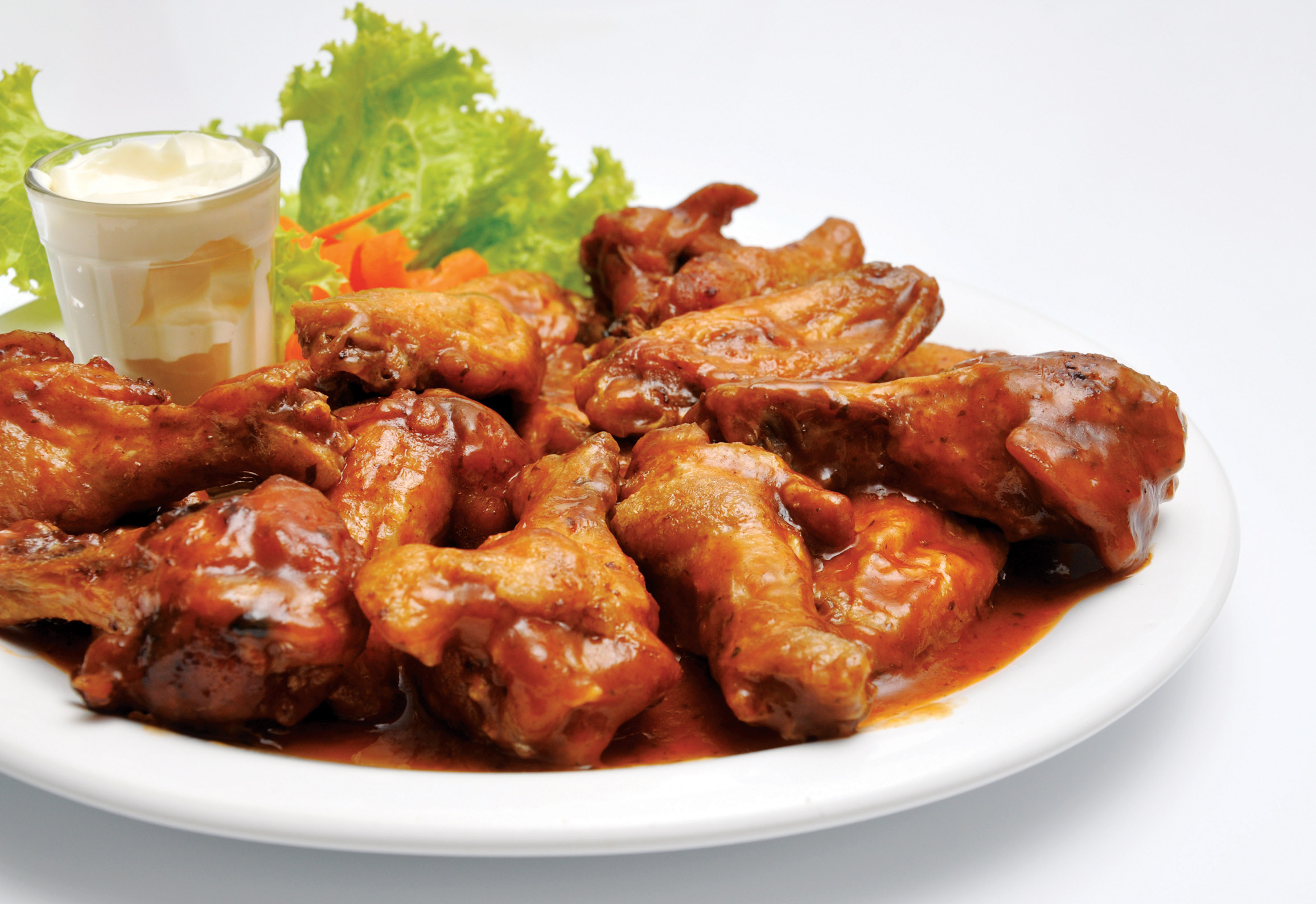
Extra heat may not be the only thing you're getting from your hot sauce. By putting it on your food, you could also be adding significant amounts of lead.
A recent study found that some hot sauces imported from Mexico had higher than normal amounts of lead in them.
This study also found higher than normal levels of lead in some lids on the hot sauce bottles.
Check the label on hot sauce packaging for its origin.
This study, led by Shawn Gerstenberger, PhD, at the University of Nevada Las Vegas, was done to identify the amount of lead in various types of hot sauces.
The researchers purchased 25 varieties of hot sauces, primarily imported from Mexico, and tested them for lead content. The types of peppers in the hot sauces tested included but were not limited to: habanero, rococo, guajillo, chipotle and chili. The researchers also analyzed lead content in the packaging of the hot sauce.
While no specific standard for lead content in hot sauce was identified, the authors noted that the standard for lead in candy is 0.1 parts per million (ppm), and they used that as the point of comparison. This standard means the lead content in candy cannot exceed 0.1 ppm as set by the US Food and Drug Administration (FDA).
The researchers found that 16 percent of the hot sauces tested had concentrations of lead higher than the 0.1 ppm lead standard for candy. The four brands that exceeded the standard were Salsa Picante de Chile Habanero, Salsa Habanera, El Pato, Salsa Picante Hot Sauce and Bufalo Salsa Clasica.
The researchers found no association between the amount of lead in a hot sauce and the type of pepper used.
The researchers then looked at the lead content of hot sauce bottle lids by color (green, orange, red, yellow and white). They found that all three of the green lids and six out of the nine red lids tested exceeded the standard for lead in packaging materials set by the FDA (7 mg/kg).
The study authors noted the presence of salt and hot peppers as the main ingredients in these hot sauces is what is likely responsible for their higher than normal lead content. They concluded these findings indicate a need for a stricter screening process for food products imported from Mexico and for a specific standard to be set for lead content in hot sauce products.
This study was published in the July issue of the Journal of Environmental Science and Health, Part B: Pesticides, Food Contaminants, and Agricultural Wastes.
The authors declared no competing interests.
All information on this site is provided “as-is” for informational purposes only and is not a substitute for medical advice or treatment. You should consult with a medical professional if you have any questions about your health.
More health news
 Natural
Top 10 Foods to Lower Cholesterol
Boost your health with foods designed to naturally cut your cholesterol
 Features
Staying Healthy for Baby
Prenatal fitness and nutrition
 Features
Healthy Holiday Grilling
Picking lean meats and skipping the marinades makes for a fitter holiday meal