
Gene Expression and Metastasis in Head and Neck Cancer
Gene expression could play a crucial role in determining whether head and neck cancers metastasize
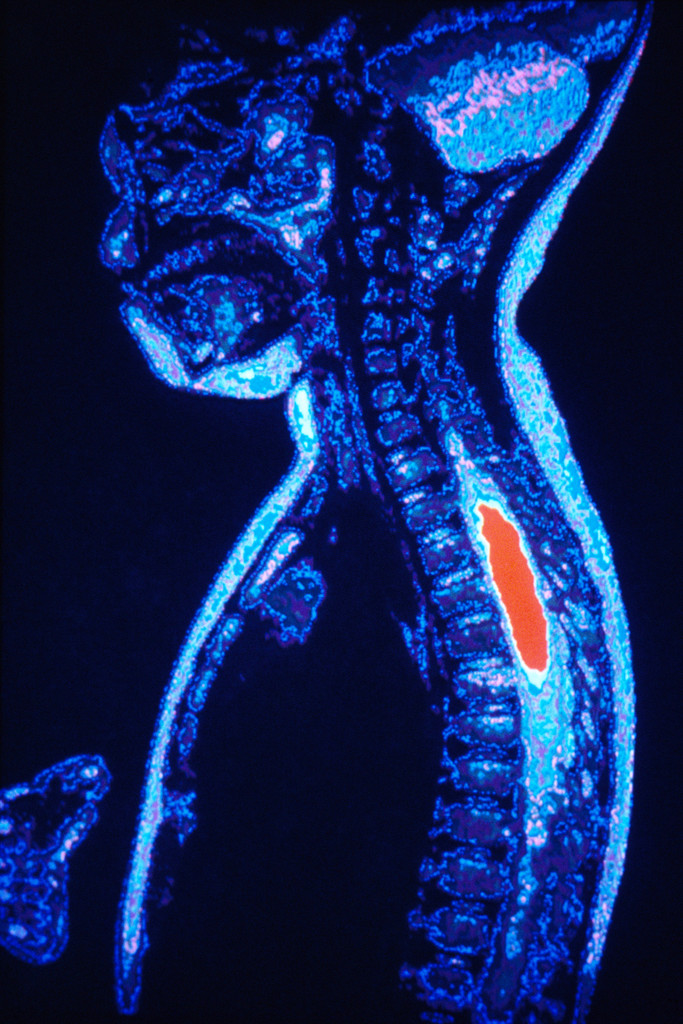
A study of 222 cases of oral or oropharyngeal cancer has yielded startling results about the role of gene expression in metastasis.
Dr Robert Takes, from the Radboud University Nijmegen Medical Centre, the Netherlands, said it is impossible to detect small lymph node metastasis (with current diagnostic tools) in patients with head and neck squamous cell carcinoma. He said it's common for surgeons to unnecessarily operate on the neck even if no metastases have been detected.
Takes and his team correctly predicted the absence of metastasis in 89 percent of cases by looking at 825 relevant genes identified in a previous study. These predictions could result in decreased morbidity without deterioration of oncological outcomes. When metastasis still develops, Takes said, "salvage treatment is still possible."
A combination of biological (gene expression) and clinical factors worked better at predicting metastasis than either alone, making it appear that the signature acts as useful addition that can guide treatment policies.
Head and neck cancers include cancers of the nasal cavity, sinuses, lips, mouth, salivary glands, throat and larynx (voice box).
All information on this site is provided “as-is” for informational purposes only and is not a substitute for medical advice or treatment. You should consult with a medical professional if you have any questions about your health.
More health news
 Health News
At Last - Possible Therapy for Brain Metastasis
Brain metastasis thwarted with pigment epithelium derived factor
 Natural
Currying Favor Against Cancer
Prostate and breast cancer metastasis may be inhibited with curcumin
 Clinical Trials
Stopping Breast Cancer in its Tracks
Breast cancer metastasis could be blocked by boosting Tyk2 activity