
Approved: Saliva-Based COVID-19 Test
FDA approves Yale's new saliva-based COVID-19 test
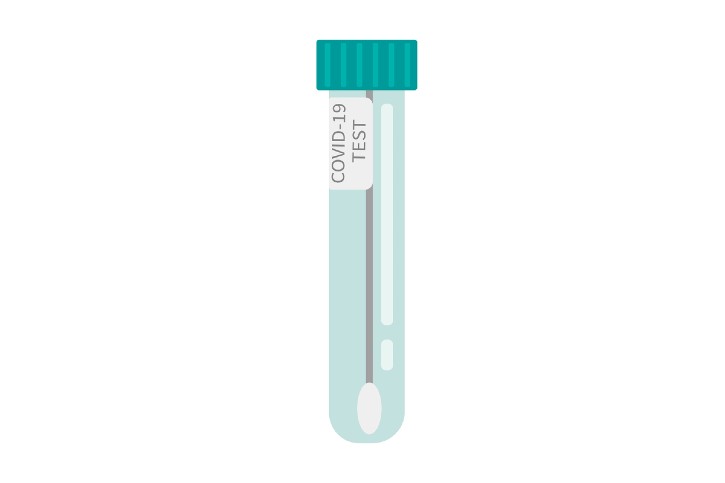
The US Food and Drug Administration (FDA) has issued an emergency use authorization (EUA) for a saliva test for SARS-CoV-2, the virus that causes COVID-19 infection.
This approval was granted to the Yale School of Public Health for its SalivaDirect COVID-19 diagnostic test.
The SalivaDirect test is a new method for processing saliva samples. Because the test is saliva-based and does not need reagents (critical test components for other tests that have been prone to shortages in the past), this new approval may allow for increased COVID-19 testing, according to the FDA.
As of the publication date, SalivaDirect is the fifth saliva-based test the FDA has authorized.
No nasal swab is needed. Instead, the patient self-collects a saliva sample under the observation of a health care professional.
“The SalivaDirect test for rapid detection of SARS-CoV-2 is yet another testing innovation game changer that will reduce the demand for scarce testing resources,” said Assistant Secretary for Health and COVID-19 Testing Coordinator Admiral Brett P. Giroir, MD, in a press release.
Unlike other recently approved COVID-19 tests, SalivaDirect does not require specific swab or collection devices. In fact, to collect the saliva sample, all you need is any sterile container.
This test has been shown to work with a variety of commonly used reagents and instruments. That means it can be used in other labs across the nation — not just in Yale's lab.
Interested labs can receive the SalivaDirect protocol from Yale and obtain the required components to perform the test on their own.
The labs will need to follow Yale’s instructions for use and comply with the conditions of authorization in the FDA's EUA.
All information on this site is provided “as-is” for informational purposes only and is not a substitute for medical advice or treatment. You should consult with a medical professional if you have any questions about your health.
More health news
 Health News
An At-Home Saliva Test for COVID-19
FDA approves first COVID-19 test that uses at-home saliva sample collection
 Health News
FDA Warns Companies Over COVID-19 Antibody Tests
Companies under fire for selling misbranded COVID-19 antibody test kits
 Health News
COVID Test Using Breath Samples Gets Green Light
FDA authorizes first-ever breath test for COVID-19