
First FDA-Approved Treatment for Pediatric Lupus
FDA approves Benlysta IV (belimumab), the first treatment for pediatric lupus
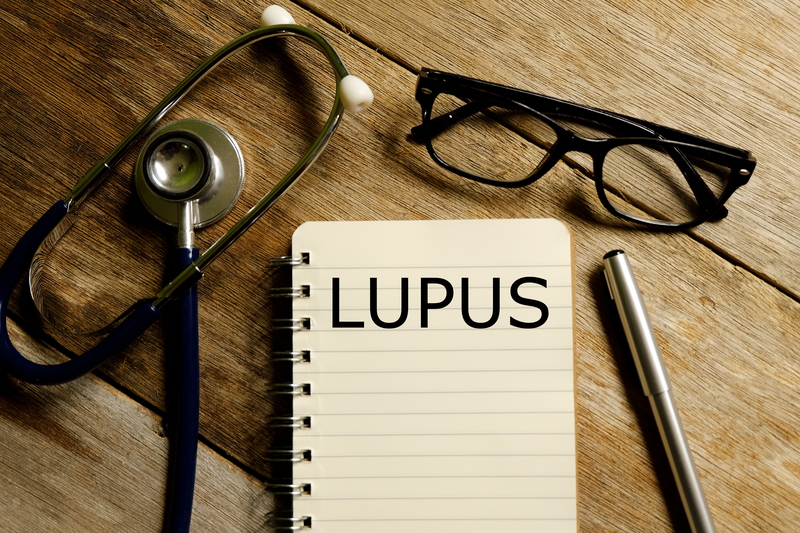
The US Food and Drug Administration (FDA) has approved a new medication to treat lupus in children.
The FDA first approved belimumab in March of 2011 for adults with lupus. Benlysta IV (belimumab) has now been approved for patients as young as 5.
Benlysta is the only medication approved for both adults and children with lupus (short for systemic lupus erythematosus or SLE). Additionally, this drug represents the first time the FDA has approved a treatment specifically for pediatric lupus.
One in five individuals with SLE is diagnosed before age 20. Fifteen percent of those currently living with this disease are considered pediatric — a total of between 5,000 and 10,000 children.
SLE is an autoimmune disorder that has no known cause or cure. It affects 5 million people worldwide and is most common in young women (ages 15 to 44).
Lupus is a chronic (lifelong) illness. It consists of periods during which patients experience more active symptoms known as “flare-ups.” These flare-ups alternate with times when the disease is present but symptoms are silent.
Often, lupus symptoms in children can be more severe than symptoms in adults. In the 1950s, children who were diagnosed with lupus had a 30 to 40 percent survival rate. Modern treatment modalities are targeted to help children with lupus lead lives that are as normal as possible.
Anyone with lupus can have problems with various parts of the body, such as the skin, joints and internal organs (kidneys, lungs, etc.). Children may accumulate more damage because they must live longer with the disease, and their organs are still developing when affected by SLE.
Leading researchers believe SLE to be a result of overproduction of and too much activity by B-cells, a type of white blood cell. Belimumab is believed to work by inhibiting this overstimulation.
The FDA’s decision to approve Benlysta for pediatric patients was based on data from the PLUTO study. This study followed patients between 5 and 17 years of age who had a lupus diagnosis for one year. It found that a decreased number of disease flare-ups occurred in children who received the medication when compared to those who did not.
Belimumab is not a cure for lupus in children or adults. It is intended to treat the disease by managing symptom flare-ups and minimizing organ damage.
Safety data from treating children with Benlysta was consistent with that derived from adult studies. Nausea, diarrhea and fever were the most common adverse reactions.
A warning comes on the package of Benlysta for potential mortality, serious infections, hypersensitivity and depression. These serious events occurred rarely in adults treated with Belimumab.
All information on this site is provided “as-is” for informational purposes only and is not a substitute for medical advice or treatment. You should consult with a medical professional if you have any questions about your health.
More health news
 FDA Approvals
New Lupus Drug: A Long Time Coming
FDA approves Benlysta to treat lupus
 Prescription Drugs
Lupus Drug Seems Safe for the Long Haul
Lupus patients on long term Benlysta treatment had similar or lower adverse events after 4 years
 Health News
Busted: Lupus Culprit Uncovered
Dendritic cells appear to play localized role in lupus-related tissue damage