
Itchy Skin, Eat a Handful of Nuts
Discovery links omega-6 fatty acids to fight against dermatitis

A specific omega-6 fatty acid may be critical in maintaining healthy skin, according to a new study from the University of Illinois.
Manabu Nakamura, a U of I associate professor of food science and human nutrition, said researchers "knocked out" a gene responsible for en enzyme that helps the body produce a specific form of omega-6 fatty acid known as arachidonic acid. Without this acid, mice models developed ulcerative dermatitis, a skin disorder associated with bacterial growth. The mice scratched themselves continually, producing bleeding sores, until scientists added arachidonic acid to their diet.
While the mice had plenty of linoleic acid (important because it provides the lipids that protect the outer layer of skin), they could not convert it to arachidonic acid because of the missing gene.
Arachidonic acid is also essential to the production of prostaglandins, compounds that can lead to inflammatory reactions, which are critical to proper immune function. Aspirin and ibuprofen and other common painkillers work by inhibiting arachidonic acid's conversion to prostaglandins.
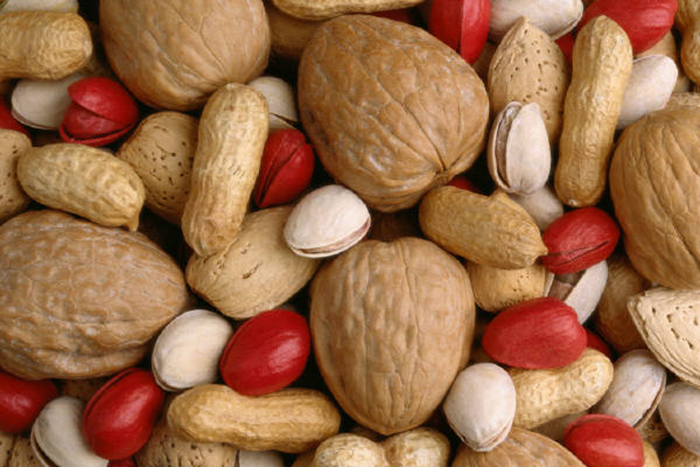
Foods high in omega-6 fatty acids include vegetable oils, nuts (walnuts, brazils, almonds and cashews) and seeds (flax, hemp, sunflower, sesame, pine nuts and pumpkin).
All information on this site is provided “as-is” for informational purposes only and is not a substitute for medical advice or treatment. You should consult with a medical professional if you have any questions about your health.
More health news
 Health News
What Omega-3s Could Do for Bipolar Patients
Bipolar disorder patients may have lower availability of certain omega-3 fatty acids
 Natural
Fatty Acids During Pregnancy
Pregnant women fatty acid levels relate to body fat percentage in their children
 Mental Health
Going Nuts? Have Some Nuts
Walnut and walnut oil shown to lessen stress