
Hyperactive Brain Related to Depression
Depression symptoms associated with increased connections of brain areas
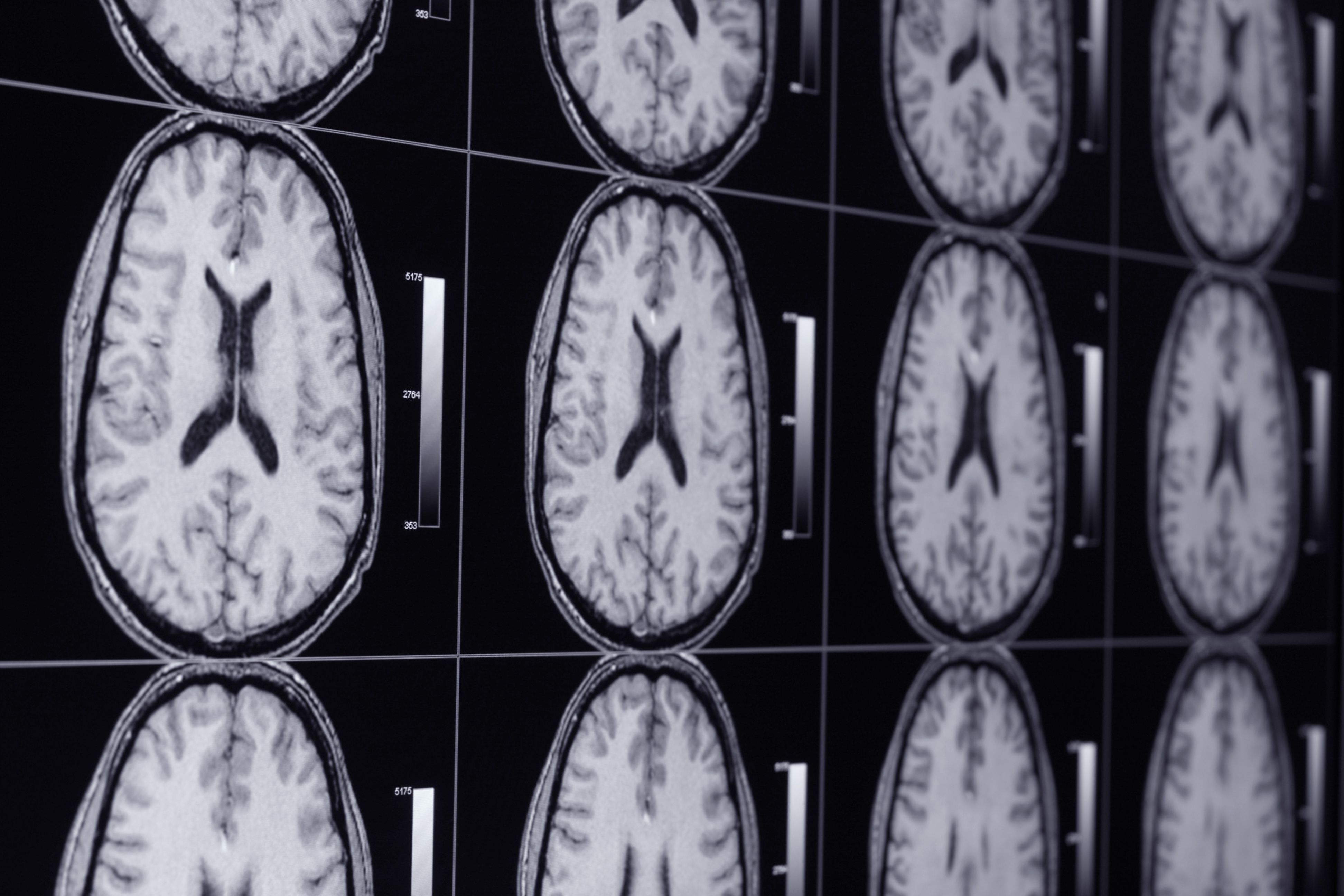
Depression is one of the most common mental illnesses, caused by a chemical imbalance in the brain. Researchers are headed further down the rabbit hole - exploring the causes of this chemical imbalance.
Depression brings a host of complicated symptoms like anxiety, problems with concentration and memory, and poor sleep. The complex symptoms associated with depression have led researchers to take a new look at the way the brain.
What they found is that a depressed brain has more connections and has hyperactive electrical signals.
Depression can be treated, talk to your doctor if you are suffering.
"The brain must be able to regulate its connections to function properly,” explains Andrew Leuchter, M.D., professor of psychiatry at the Semel Institute for Neuroscience and Human Behavior at UCLA. “The brain must first synchronize, and then later desynchronize, different areas in order to react, regulate mood, learn and solve problems."
Brains create new pathways on a regular basis. However, the brains of those with MDD are unable to ‘turn off’ these connections, which results in a hyperconnected brain with too many electrical signals firing.
The researchers measured the synchronization of electrical signals in the brains of 121 adults diagnosed with MDD and 37 adults not diagnosed with MDD. The area of the brain called the prefrontal cortex, which is highly involved with mood and problem solving, showed the most hyperconnectivity.
Next, the researchers aim to explore more deeply the association with chemical imbalance in the brain and hyperconnectivity.
"An important question is, to what extent do abnormal rhythms drive the abnormal brain chemistry that we see in depression?,” adds Leuchter. “We have known for some time that antidepressant medications alter the electrical rhythms of the brain at the same time that levels of brain chemicals like serotonin are changing.”
The study was published in the online journal PLoS One on Feb. 24, 2012, and was funded by the National Institutes of Health, Lilly Research Laboratories, and Pfizer Pharmaceuticals. The authors report no conflict of interest.
All information on this site is provided “as-is” for informational purposes only and is not a substitute for medical advice or treatment. You should consult with a medical professional if you have any questions about your health.
More health news
 Features
The Hyperactive Brain and Depression
Brain network hyperconnectivity linked to depressive disorder
 Health News
Treatment Options for ADHD
Treatment Options for ADHD
 Mental Health
Sleep Apnea Linked to Hyperactivity in Youth
ADHD and troubled behavior risks increase with sleep apnea