
Stimulating Effects
Deep brain stimulation appears beneficial in treatment of Tourette syndrome, depression, OCD
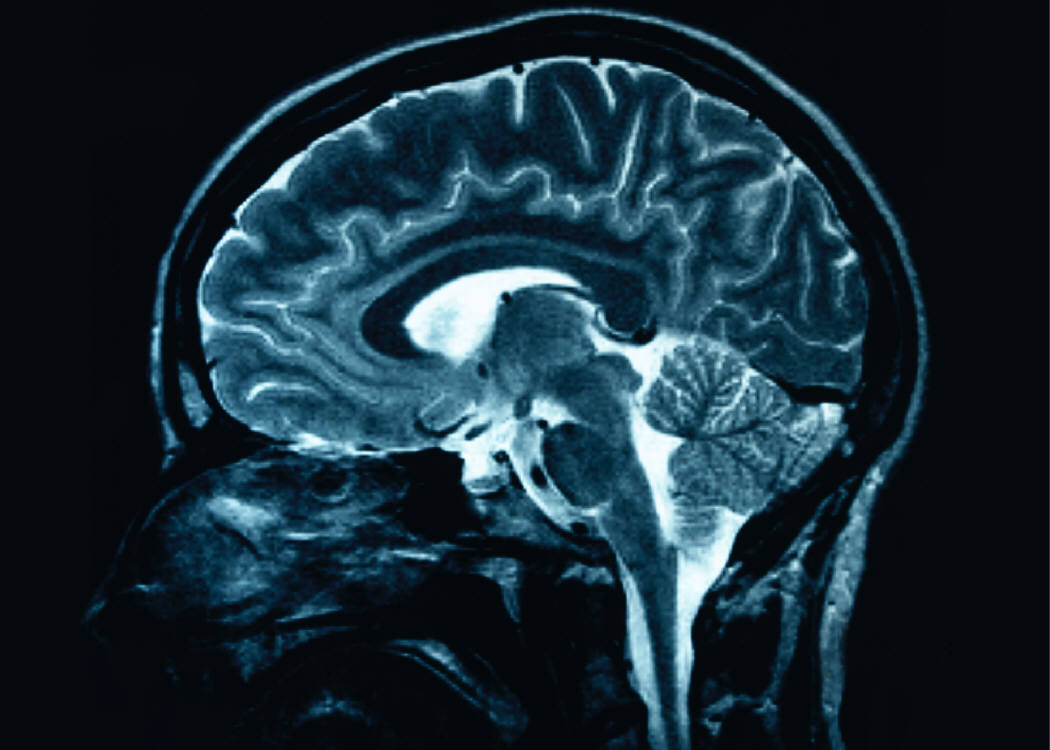
Deep brain stimulation has proven beneficial for some treatment-resistant cases of obsessive-compulsive disorder (OCD), depressive disorders and Tourette syndrome.
In Deep brain stimulation (DBS) psychosurgery, electrodes are implanted into the patient, delivering continual, high-frequency electrical impulses that help modulate functional neuron circuits. The method has been licensed as a therapeutic treatment for Parkinson's disease and essential tremor for a number of years.
Researchers from the University of Cologne and the Max Planck Institute analyzed DBS' efficacy by evaluating therapeutic studies from 1980 to 2009. They found improvement rates between 35 percent and 70 percent in treatment-resistant depression, Tourette syndrome and obsessive-compulsive disorder. Side effects were generally mild and mostly reversible, according to the authors.
A separate study from Harvard Medical School and Tufts University however, suggests DBS in Parkinson's patients results in diminished ability to recognize expressions of emotions in others.
Further research into DBS treatment of psychiatric disorders is needed in order to determine a more complete side-effect profile, mechanisms of action and efficacy, however, especially those that stem form long-term treatment.
All information on this site is provided “as-is” for informational purposes only and is not a substitute for medical advice or treatment. You should consult with a medical professional if you have any questions about your health.
More health news
 Mental Health
Psychosurgery Makes Gentle Comeback
Psychosurgery Makes Gentle Comeback
 Health News
A Brain Pacemaker?
Deep Brain Stimulation often treats Parkinsons
 Mental Health
Off the Deep End
Study suggests deep brain stimulation may be effective in treating extreme obsessive-compulsive disorder (OCD)