
Molecular Superhero Slows Alzheimer’s
Brain protein HspB1 interferes with toxic tangles in brain
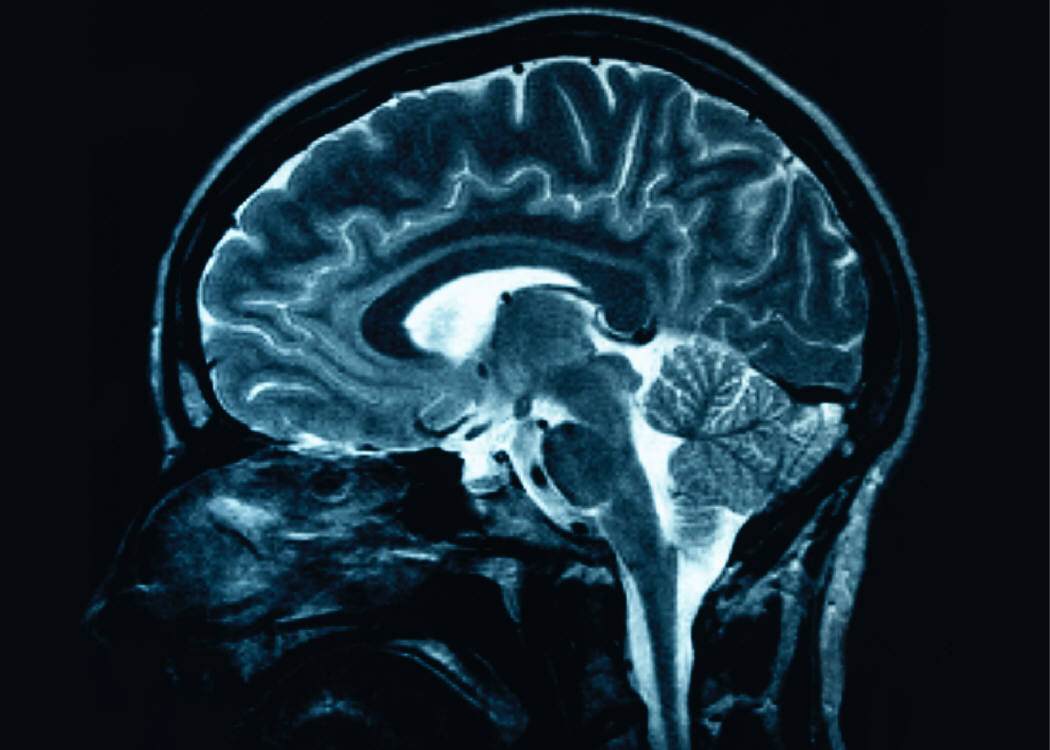
A naturally occurring brain protein could lead to better treatments for Alzheimer's disease. Scientists have discovered a "molecular chaperone" - a type of protein that responds to disease - and its ability to kill toxic Alzheimer's tangles in the brain.
This molecular chaperone, HspB1, is a protective mechanism that interferes with the chain of events that causes brain damage in Alzheimer's. Amyloid beta peptide starts the process, clumping in the brain and killing neurons. HspB1 inhibits that process, according to the recent study, published in Molecular and Cellular Biology.
Ask your doctor about new medications for Alzheimer's.
Dr. Anil G. Cashikar, biochemist at Georgia Health Sciences University's Center for Molecular Chaperones and Radiobiology and co-author of the study, also has discovered that deleting HspB1-like genes in mice worsens the symptoms of Alzheimer's.
HspB1's role is to protect brain cells, so if its levels could be increased, the result could be a better treatment for the disease, Dr. Cashikar said.
Scientists want to develop smaller versions of HspB1 that could be inserted into the bloodstream, and also find a way to increase the brain's natural production of the molecular chaperone.
In the brains of people with Alzheimer's, several signs are hallmarks of the disease. Neurofibrillary tangles are fragments of protein within neurons that clog up the cell; neuritic plaques are abnormal clusters of dead and dying brain cells and protein; and senile plaques are areas where the products of dying nerve cells have accumlated.
Amyloid beta peptide plays a major role in these developments in the brain.
All information on this site is provided “as-is” for informational purposes only and is not a substitute for medical advice or treatment. You should consult with a medical professional if you have any questions about your health.
More health news
 Mental Health
New Therapeutic Target for Alzheimer's Disease
Discovery may lead to new ways to prevent progression
 Mental Health
Protein that Forms Alzheimer's Plaques Identified
Beta-amyloid accumulation causes nerve cells to die
 Mental Health
Brain Disease Caused by Chronic Stress
Over expression of RCAN1 gene blamed for cognitive abnormalities