
Bullying Disintegrates Personality
Borderline personality disorder risks increase with abuse by peers
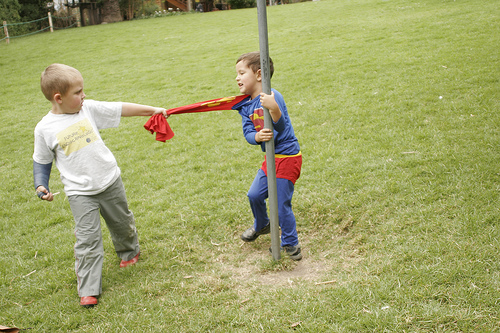
Emotional and physical abuse experienced by children affects them in more ways then one, and new research suggests it can cause long-term patterns of inner-torment, regardless of the source.
While previous investigations have demonstrated parental abuse to be “a potent predictor” that a child will develop borderline personality disorder (BPD), researchers from the U.K. and the U.S. came together to add bullying to the mix.
In their recent study, the team of four medical professionals concluded, “Intentional harm inflicted by peers is a precursor or marker on the trajectory towards the development of BPD symptoms in childhood.”
Teach kids to treat others with respect and dignity.
Dieter Wolke, PhD, a professor of developmental psychology at the University of Warwick, acted as lead author on the study, and Dr. Wolke and colleagues examined data from over 6050 children through the Avon Longitudinal Study of Parents and Children (ALSPAC). The ALSPAC study followed mothers and their babies from birth forward, gathering data through multiple means.
Reports from teachers, parents and children alike were used to measure peer abuse, and trained psychologists interviewed students around age twelve to assess for borderline personality disorder using the DSM-IV diagnostic manual. Further data incorporated measures of sexual abuse, IQ, and parenting behaviors.
The results uncovered that self-reports from all parties conveyed an increase risk for BPD in those being bullied. “Children who reported being chronically bullied or experienced combined relational and overt victimization had highly increased odds of developing BPD symptoms,” authors write.
dailyRx contributing expert LuAnn Pierce, a therapist at Denver’s Turning Points Counseling Center, helps us understand why. She explains that the victims of peer abuse and bullying have a strong tendency to internalize negativity, which puts them at risk for multiple mental health issues, including turning violent themselves.
“Most anyone will tell you that feelings of anger, control and power are preferable to feeling helpless, frightened and powerless,” she says, and victims frequently fluctuate between feeling all of the above. Pierce believes, “everyone has a breaking point,” and it’s important for everyone involved to take a stance against bullying.
These findings are published in the Journal of Child Psychology and Psychiatry with no sources of funding or conflicts of interest reported.
All information on this site is provided “as-is” for informational purposes only and is not a substitute for medical advice or treatment. You should consult with a medical professional if you have any questions about your health.
More health news
 Mental Health
Bullying Cases Increase Thoughts of Suicide
Suicide thoughts increase in both bully victims and bullies
 Mental Health
A Vicious Cycle Can Begin in Pregnancy
Prenatal stress linked to higher risk of bullying victimization in unborn child
 Mental Health
The Lasting Marks of a Bully
Bullying effects last into adulthood for victims and for victims who bullied others