
What to Do When Your Heart Short-Circuits
Atrial fibrillation symptoms, treatment, risks explained

February is heart health month. And that means it's a good time to learn about one common heart condition that affects more than 2.5 million Americans.
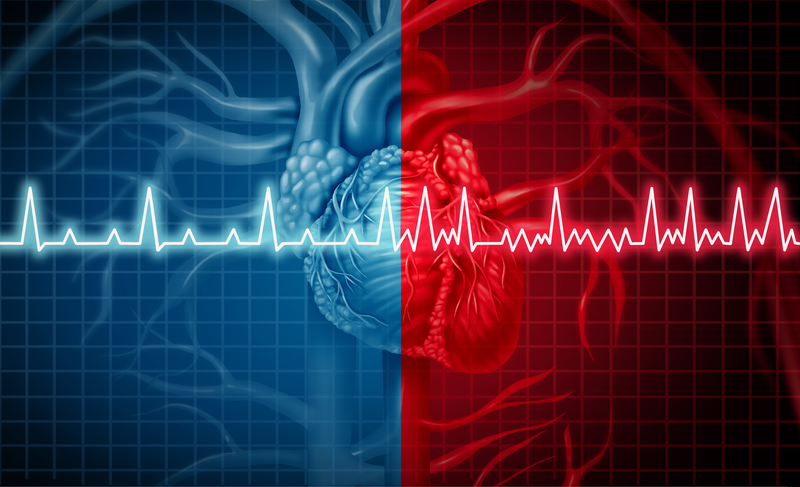
Many people already know the key ingredients for a healthy heart. Eating a nutritious diet, lowering cholesterol, not smoking and having an active lifestyle are all great ways to keep your heart pumping right. But what happens when your heart's electrical system goes haywire? This is a condition known as atrial fibrillation (Afib). Often times, patients with Afib have no symptoms, which makes it even more important to get diagnosed and treated early — before Afib causes life-threatening complications like blood clots or stroke.
Check out the video to learn more.
All information on this site is provided “as-is” for informational purposes only and is not a substitute for medical advice or treatment. You should consult with a medical professional if you have any questions about your health.
More health news
 Health News
Don’t Miss a Beat: AFib Awareness Month
Atrial fibrillation risk can be reduced with healthy heart habits
 Health News
AFib Rx Could Prevent More Strokes
Strokes related to atrial fibrillation might be preventable with anticoagulants
 Health News
Don’t Miss a Beat
These heart-healthy habits can reduce your risk of atrial fibrillation