
Pneumonia
Pneumonia is an infection in one or both of the lungs caused by bacteria, viruses, and less frequently, fungi.
RespiratoryOverview
Pneumonia is an infection in one or both of the lungs caused by bacteria, viruses, and less frequently, fungi.
The infection causes inflammation in the alveoli, the air sacs of the lungs. The air sacs may fill up with fluid or pus, causing symptoms such as a cough with phlegm, fever, chills, and trouble breathing. Pneumonia causes cough, fever and difficulty breathing. Sometimes patients can receive treatments and get better at home, while others may require hospitalization, especially the very young or elderly.
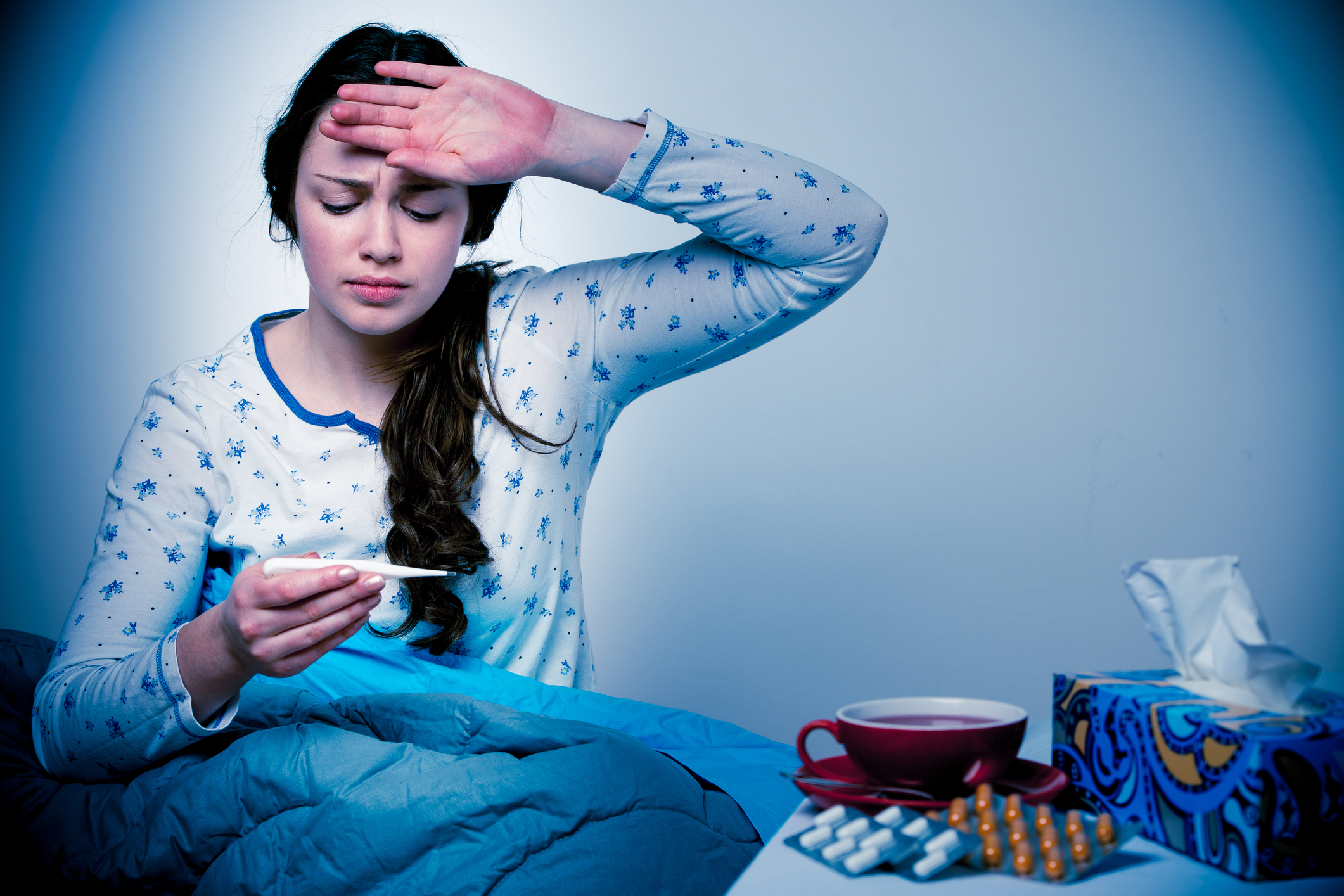
The signs and symptoms of pneumonia vary from mild to severe. Many factors affect how serious pneumonia is, including the type of germ causing the infection and your age and overall health. Common symptoms include a high fever, shaking chills, cough with phlegm (a slimy substance), which doesn't improve or worsens, shortness of breath with normal daily activities, chest pain with breathing or coughing, and feeling suddenly worse after a cold or the flu.
Bacterial pneumonia is treated with antibiotics. Acetaminophen may be used to treat fevers. Severe pneumonia may require hospitalization and treatment with oxygen therapy and IV antibiotics.
Symptoms
- Have a high fever
- Have shaking chills
- Have a cough with phlegm (a slimy substance), which doesn't improve or worsens
- Develop shortness of breath with normal daily activities
- Have chest pain when you breathe or cough
- Feel suddenly worse after a cold or the flu
Causes & risk factors
Bacteria, viruses, and less often, fungi, can cause pneumonia. When the immune system tries to attack the germs the air sacs in the lungs fill up with fluid and pus, causing the symptoms of pneumonia.
Bacterial pneumonia is the most common type of pneumonia in adults. There are many types of bacteria that can cause pneumonia, however, the most common bacteria to cause pneumonia in the U.S. is Streptococcus pneumoniae.
Viral pneumonia is more common in children younger than 5 years of age. Respiratory viruses cause up to one-third of the pneumonia cases in the United States each year.
The flu virus is the most common cause of viral pneumonia in adults. Other viruses that cause pneumonia include respiratory syncytial virus, rhinovirus, herpes simplex virus, severe acute respiratory syndrome (SARS), and more.
Three types of fungi in the soil in some parts of the United States can cause pneumonia. These fungi are:
- Coccidioidomycosis: This fungus is found in Southern California and the desert Southwest.
- Histoplasmosis: This fungus is found in the Ohio and Mississippi River Valleys.
- Cryptococcus: This fungus is found throughout the United States in bird droppings and soil contaminated with bird droppings.
Most people exposed to these fungi don't get sick, but some do and require treatment.
Other kinds of fungal infections also can lead to pneumonia.
You are more likely to get pneumonia if:
- Your immune system is weak
- A germ is very strong
- Your body fails to filter germs out of the air that you breathe
Types of Pneumonia
- Community-acquired pneumonia (CAP) is the most common type of pneumonia, which usually occurs during the winter. About 4 million people get this form of pneumonia each year, 20 percent of which require hospital treatment.
- Just as the name implies, hospital-acquired pneumonia (HAP) is a type of pneumonia people catch during a hospital stay for another illness. You're at higher risk of getting this more serious form of pneumonia if you're on a ventilator (a machine that helps you breathe).
- Health care-associated pneumonia occurs when patients get pneumonia while in nursing homes or outpatient medical settings.
- When food, beverages, vomit or saliva are inhaled from the mouth into the lungs, aspiration pneumonia may occur. This is more common in people with brain injury, abnormal gag reflex, difficulty swallowing, or in people who abuse alcohol or drugs. Sometimes pus forms in the cavity of the lung. This is known as a lung abscess.
- Several types of bacteria—Legionella pneumophila, mycoplasma pneumonia, and Chlamydophila pneumoniae—cause atypical pneumonia, a type of CAP. Atypical pneumonia is passed from person to person.
When to get help
See your doctor for a cough with fever, chest pain, or shortness of breath, especially in older adults, young children, or people with chronic illness. Call 911 for severe breathlessness, confusion, or blue lips.
Related health news
 Health News
Tackling Pneumonia
World Pneumonia Day 2015 aims to prevent future pneumonia-related deaths, illnesses
 Features
Tips to Prevent the Common Cold
Common cold prevention, treatment strategies explained
 Features
Your Child's First 6 Months of Vaccines
Childhood vaccines like DTaP protect against multiple diseases with minimal risks
All information on this site is provided “as-is” for informational purposes only and is not a substitute for medical advice or treatment. You should consult with a medical professional if you have any questions about your health.