
High Cholesterol
Cholesterol is used by the body in several biochemical reactions necessary for life, including making new cells, and making hormones.
CardiovascularOverview
Cholesterol is used by the body in several biochemical reactions necessary for life, including making new cells, and making hormones. Too much cholesterol can cause plaque to build up in blood vessels, putting patients at risk for heart attack and stroke.
High blood cholesterol does not cause symptoms. Some people with rare genetic diseases that cause extremely high cholesterol may experience yellowish patches underneath the skin around the eyelids (xanthelasma palpebrarum).
Blood levels of cholesterol can be controlled partially by limiting foods high in cholesterol and eating foods high in fiber, which can help remove cholesterol from the blood. Factors such as heredity, age and gender may predispose certain groups to high cholesterol.
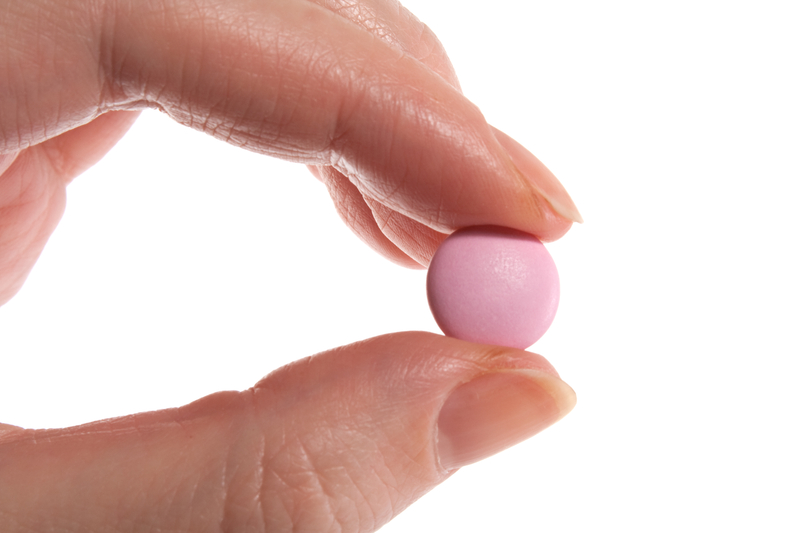
Medications to control cholesterol include statins (HMG-CoA reductase inhibitors) which have been directly associated with reduced risk for heart attack and stroke. Examples of statins include atorvastatin, lovastatin, rosuvastatin, and simvastatin. Other medications used to lower blood cholesterol levels include bile acid sequestrants, fibrates, and cholesterol absorption inhibitors.
Symptoms
- High cholesterol does not cause symptoms.
Causes & risk factors
Many factors can affect the cholesterol levels in your blood.
The factors you can control include:
- Limiting foods with cholesterol (egg yolks, some meats, and cheese)
- Limiting foods with saturated fat (meats, dairy, chocolate, cakes and cookies, deep-fried foods, processed foods)
- Limiting foods with trans fats (some fried and processed foods)
- being physically active for weight loss and to lower LDL cholesterol
The factors you can't control include:
- Heredity. High cholesterol can run in families.
- Age and gender. Starting at puberty, men often have lower levels of HDL cholesterol than women. As women and men age, their LDL cholesterol levels often rise. Before age 55, women usually have lower LDL cholesterol levels than men. However, after age 55, women can have higher LDL levels than men.
When to get help
High cholesterol has no symptoms, so ask your doctor or pharmacist about a cholesterol blood test, especially with a family history of heart disease. Managing it lowers your risk of heart attack and stroke.
Related health news
All information on this site is provided “as-is” for informational purposes only and is not a substitute for medical advice or treatment. You should consult with a medical professional if you have any questions about your health.